Luang Prabang Tour

Luang Prabang Tour Package: Discover the Heart of Laos

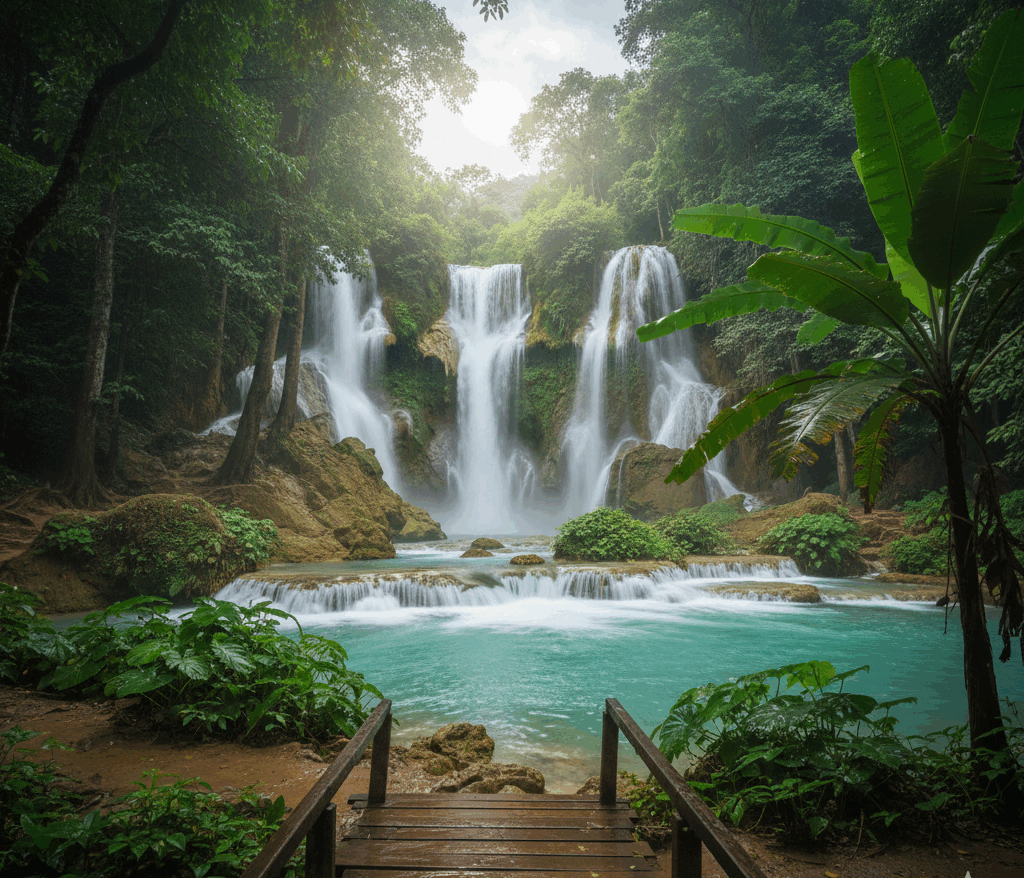
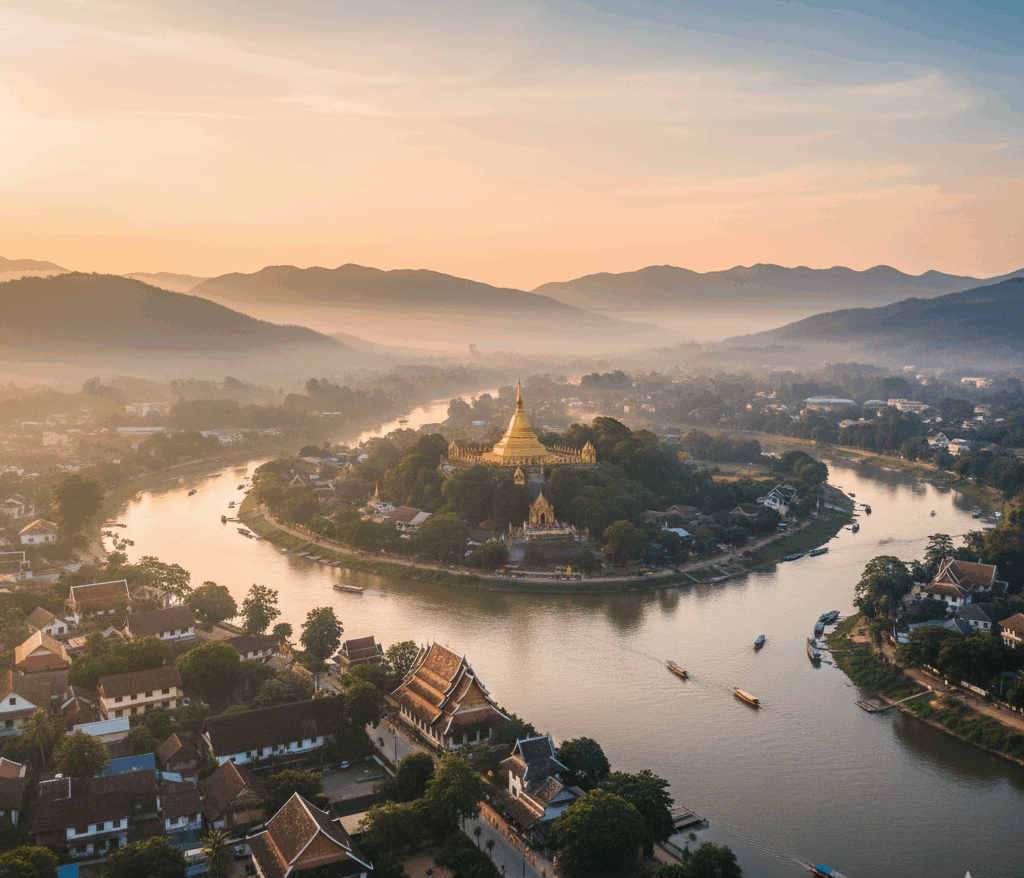
If Southeast Asia has a soul, it resides in Luang Prabang. Nestled at the confluence of the Nam Khan and Mekong rivers, this former royal capital is a place where time seems to slow down. A Luang Prabang tour is not about checking off a frantic bucket list; it is about immersing yourself in a blend of French colonial charm, golden Buddhist temples, and breathtaking natural wonders. Whether you are arriving from a slow boat down the Mekong or flying directly in, here is the ultimate guide to experiencing the magic of this UNESCO World Heritage city. Witness the Alms giving Ceremony (Tak Bat) The city wakes up before the sun, at dawn, hundreds of saffron-robed monks walk barefoot in a single file through the misty streets to collect alms (sticky rice) from the locals. This ancient tradition, known as Tak Bat, is the spiritual heartbeat of the city. Visitor tip: If you wish to participate, buy your rice from local markets rather from street vendors for quality, however many visitors prefer to observe quietly from a distance. Please dress conservatively, keep your voice low and don’t use camera flash Chasing Waterfalls: Kuang Si Falls #image_title No Luang Prabang tour is complete without a visit to the Kuang Si Falls. Located about 30km south of the city, these three-tiered waterfalls are famous for their surreal, milky-turquoise waters. The main cascade drops 60 meters into a series of limestone pools that are perfect for swimming. Before you reach the falls, you will walk through the Tat Kuang Si Bear Rescue Centre, where you can see Asiatic Black Bears (Moon Bears) rescued from poachers playing in their enclosures. Best time to go: Arrive by 9:00 AM to beat the tour buses and have the pools to yourself. Temple Hopping: Wat Xieng Thong Luang Prabang is home to over 30 majestic temples, but if you only visit one, make it Wat Xieng Thong (Temple of the Golden City). Built in 1560, it represents the classic Luang Prabang architectural style with sweeping, low-hanging roofs. Don’t miss the “Red Chapel” on the grounds, which features a rare reclining Buddha, and the stunning “Tree of Life” glass mosaic on the rear wall of the main temple. Climb Mount Phousi for Sunset Rising 100 meters above the city center, Mount Phousi offers a 360-degree panoramic view of the town, the rivers, and the surrounding jungle mountains. It is a steep climb of over 300 steps, but the reward is arguably the best sunset in Laos. As the sun dips behind the mountains, the Mekong River turns gold, and the city lights begin to twinkle below. Pro Tip: It gets crowded at sunset. Go 45 minutes early to secure a good viewing spot near the stupa at the summit. The Pak Ou Caves For a day trip on the water, take a boat up the Mekong to the Pak Ou Caves. Located in a limestone cliff overlooking the river, these two caves are a sanctuary for retired religious icons. Inside, you will find over 4,000 Buddha statues of varying sizes and shapes, left by pilgrims over hundreds of years. The Night market and Street Food As dusk falls, the main road (Sisavangvong Road) is closed to traffic and transforms into a vibrant Night Market. Unlike many markets in Southeast Asia, the vibe here is quiet and relaxed. Under red and blue tents, Hmong and Lao artisans sell handmade textiles, silver jewelry, and ceramics. After shopping, head to the narrow food alley at the start of the market. Here you can find: Khao Soi: A spicy Lao noodle soup (different from the Thai version). Sai Oua: Local herbal pork sausage. Grilled River Fish: Salt-crusted and cooked over charcoal. Best Time to Visit Luang Prabang The dry season runs from November to March, offering pleasant temperatures and clear blue skies. This is the peak season for a Luang Prabang tour. March to May can be quite hot, while the wet season (June to October) brings lush green landscapes and powerful waterfalls, though rain is frequent. Conclusion Luang Prabang is a city that stays with you long after you leave. It is in the smell of frangipani flowers, the taste of spicy Jeow bong dip, and the sight of monks walking past colonial villas. Whether you are seeking adventure in the waterfalls or peace in the temples, a tour of this enchanting city is a highlight of any Southeast Asian journey. In case you are interested to go on a trip: We offer a variety of different transportation services to take you to Luang Prabang, luckily we have 3 choices just for you down below. Bus Trip to Luang Prabang Slow Boat to Luang Prabang Train to Luang Prabang
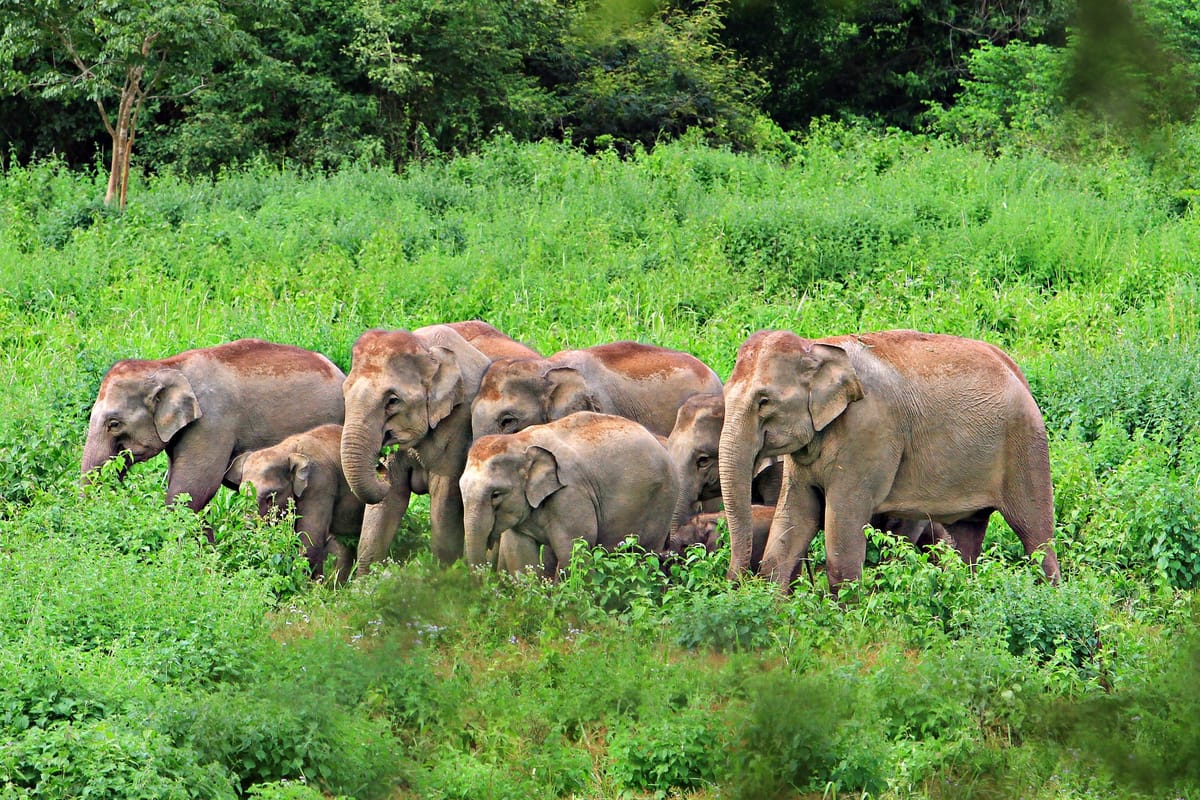
Laos Elephants

What is the best time to visit Laos?

Planning a trip to the “Land of a Million Elephants”? Choosing what is the best time to visit Laos is crucial for ensuring your adventure is filled with stunning sunsets and comfortable treks rather than muddy roads and scorching heat. While the general agreement is that the dry, cool months of November to February offer the most comfortable climate, Laos is a dynamic destination where every season offers a unique reward. Whether you want to witness the magical Lao New Year, explore lush waterfalls without the crowds, or simply enjoy a Mekong River cruise, this guide breaks down exactly when to pack your bags. The Best Overall Time to visit Laos: November to February Best weather condition for traveling to Laos. If you are looking for the “Goldilocks” of weathers, Not too hot nor too rainy. November through February is widely considered the best time to visit Laos. The weather would be clear blue skies with low humidity and pleasant temperatures averaging between 20°C to 25°C (68°F – 77°F). In the Northern regions like Luang Prabang and the mountain areas, the mornings and nights can actually get quite chilly, so preparing a light jacket is essential. Theres more to the reason why you should go now, is for the outdoor activities, Trekking in Van Vieng, Cycling around Don Det and exploring the ancient temples of Vientiane are so worth it during these months. The trade off would be that since this is the peak toursit season, popular spots will be busier and accommodation prices may be slightly higher. The Hot Season: March to April As the cool dry season ends, the heat begins to build rapidly. By April, temperatures can soar above 35°C (95°F), making this the hottest time of the year. The “Smoky” Season: One critical factor to consider is the agricultural “slash and burn” practice that occurs in late February and March. This can cause hazy skies in Northern Laos, obscuring mountain views and potentially irritating those with respiratory issues. The Big Draw (Lao New Year): Despite the heat, mid-April is one of the most exciting times to visit due to Pi Mai (Lao New Year). The entire country transforms into a massive water fight. It is a culturally rich, chaotic, and incredibly fun celebration that provides a welcome relief from the heat. The Green Season: May to October As the cool dry season winds down, the heat builds rapidly, with temperatures often soaring above 35°C (95°F) by April, making this the hottest time of the year. Travelers should be aware of the “Smoky” Season during late February and March, when agricultural “slash and burn” practices can cause hazy skies in Northern Laos that obscure mountain views and may irritate those with respiratory sensitivities. However, despite the intense heat, mid-April remains one of the most exciting times to visit because of Pi Mai (Lao New Year); this culturally rich event transforms the entire country into a massive, chaotic, and incredibly fun water fight, offering a festive and welcome relief from the soaring temperatures. Laos Weather by Month: A Quick Snapshot A quick little table of the best weathers to visit Laos. A list of transportation that will take you to visit Laos Bus Trips Buses from Thailand to Laos Click here Train Trips Trains taking you from Thailand – Laos Click here Slow Boat Trips Join the watery adventures Click here Conclusion So, what is the best time to visit Laos? For the best weather: Go between November and February.  For culture and festivals: Go in April or October.  For nature and value: Go in the Green Season (June-September). No matter when you choose to land in Vientiane or Luang Prabang, Laos’s laid-back charm and welcoming people make it a spectacular destination year-round.

Slow boat Pier Laos Pak Beng Can Get Buys

A slow boat pier Laos Pak Beng: Quick insight for tourist

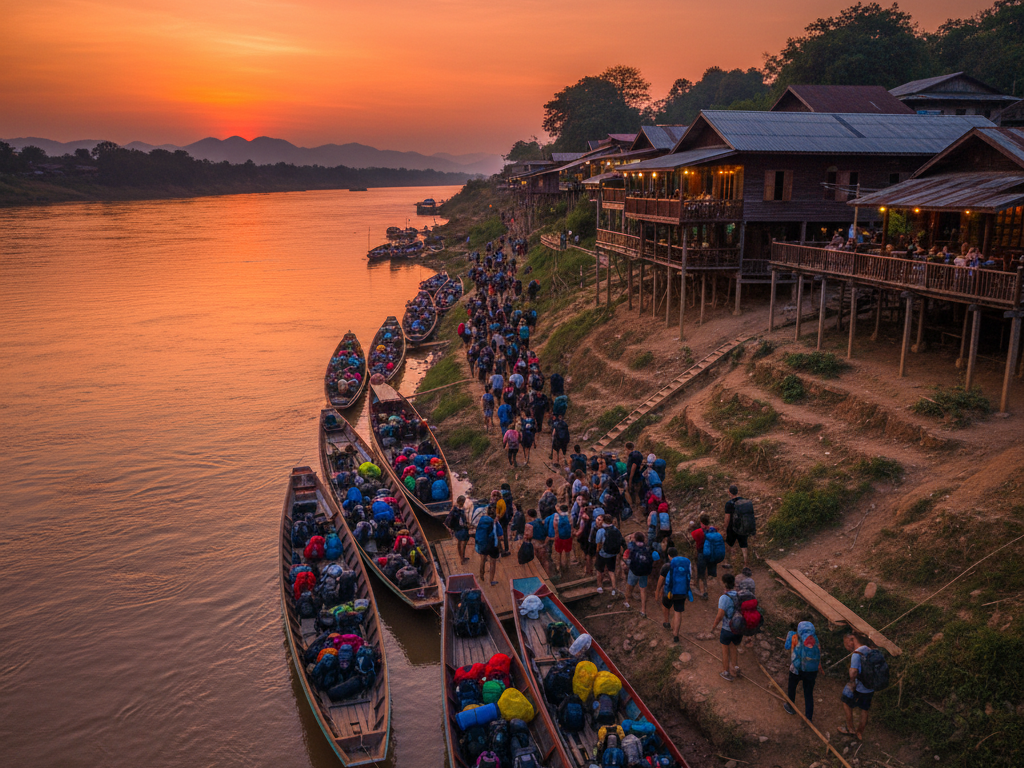
Slow Boat Pier Laos Pak Beng When your boat docks in Slow boat pier laos Pak Beng, don’t expect a fancy terminal. The pier is essentially a sandy riverbank where boats tie up for the night. Located on the right side of the Mekong, it serves as the gateway to this charming overnight stop. While the climb up the bank can be steep, porters are usually available to help with luggage. The Location of the pier is on the right of the Mekong River, at the edge of the village. Getting around from the pier, it’s an easy walk up a path or road into the main part of Pak beng, You’ll see guesthouses and restaurants lining the way. Your Arrival time boats usually arrive late in the afternoon, just as the sun starts to dip, it’s quite the lovely time to see the river. Why Stop at Pak Beng? Slow boat port at Pak Beng isn’t just a place to get off one boat and onto another, it’s a change to experience a bit of the local Lao life. Rest and Recharge yourself, after a full day on the slow boat, you’ll be ready for a comfortable bed and a good meal. Pak Beng has many guesthouses to choose from.The Local Food is simple and easy to enjoy, most of the delicious Lao food would be by the riverside restaurants. Try some fresh fish from the Mekong! Explore a little of the area, take a walk through the village, you might see local markets, children playing, and enjoy the peaceful atmosphere. It’s a great way to stretch your legs after sitting so long on the Slow Boat.You also get to meet fellow travelers, as slow boat pier Laos Pak Beng and the town of Pak Beng are known to be a natural meeting points you’ll most likely see many of the same faces from your slow boat, making it an easy interaction to share travel stories with those you were with before. Continuing Your Journey: Slow Boat Pier Laos Pak Beng to Luang Prabang On day two, you will return to the pier for the second leg of your slow boat adventure. Boats generally depart around 9:00 AM, but it is highly recommended to arrive at least 45 minutes early to claim a good seat away from the noisy engine at the back. Before you board, stock up on snacks and sandwiches from the local vendors in Pak Beng, as food options on board are limited. The ride to Luang Prabang takes approximately 7–8 hours, eventually dropping you off at the slow boat terminal about 10km outside the city, where tuk-tuks will be waiting to take you into town. Tips for Your Visit Pak Beng: Pak Beng might be a small stop on your big adventure, but it’s a memorable part of the famous Laos slow boat experience. Enjoy your time by the river! Ready for the journey to Pak Beng Pier by Slow Boat then Click HERE to book your tickets before they run out! Planning your trip to Laos? Don’t forget to check our website for information on Laos travel visas and other helpful tips!

Traveler enjoying riverside views from the slow boat to Laos.

Slow Boat to Laos: A Wondrous, Valuable Mekong Journey You Need to Know

Embarking on the slow boat to Laos is far more than a simple means of transport it’s an immersive journey that allows travelers to connect with the heart of Southeast Asia. This two-day voyage down the mighty Mekong River, from Huay Xai to Luang Prabang, offers breathtaking scenery, intimate glimpses into riverside life, and a chance to slow down and truly savor the journey. Whether you’re a seasoned backpacker or a traveler seeking a relaxed pace, the slow boat offers a unique way to experience Laos, making it one of the most memorable adventures in the region. Why Choose the Slow Boat to Laos? While faster options like flights or speedboats exist, the slow boat to Laos is a journey in itself. Here’s why travelers fall in love with it: Witness Stunning Landscapes The Mekong River carves a path through lush jungles, past remote villages, and beneath towering limestone karsts. The scenery constantly changes, from misty mornings reflecting on calm waters to vibrant sunsets over the riverbanks perfect for photography or simply soaking in nature. Experience Local Life Travelers share the boat with Lao locals transporting goods, chatting, or selling snacks. From floating villages to riverside farmers, the slow boat provides an authentic window into traditional Lao life that speedboats or flights simply cannot match. Relax and Unwind Without Wi-Fi or constant connectivity, the slow boat encourages travelers to disconnect. Read a book, listen to the river’s rhythm, or reflect quietly while the world drifts by. It’s a rare chance to slow down in a world that rarely does. Planning Your Slow Boat Journey: Essential Information 1. Visas for Laos Before boarding the slow boat, ensure your Laos visa is ready. Most nationalities can obtain a visa on arrival at the Huay Xai border. The cost is typically USD 30–40, and you’ll need a passport-sized photo. Always check updated visa requirements before traveling, as rules can change. 2. Getting to Huay Xai (from Thailand) Most travelers begin their journey in Chiang Khong, just across the border from Huay Xai: Once across, you’re ready to board the slow boat. 3. Buying Your Slow Boat Ticket Tickets can be purchased in several ways: Cost: Around 250,000–300,000 LAK (~USD 15–20) for the full two-day journey. What to Expect on Board Seating Slow boats are long wooden vessels with rows of seats. Some are repurposed car seats, others simple benches. It can get crowded, so arrive early to secure your preferred spot. Food and Drinks A small shop on board sells snacks, instant noodles, and drinks, including Beerlao. Bringing your own provisions is recommended, especially if you have dietary restrictions. Facilities Expect basic facilities: a simple toilet and no luxury amenities. The charm lies in its simplicity. Overnight Stop in Pakbeng The boat stops overnight in Pakbeng, a small riverside village roughly halfway to Luang Prabang. Guesthouses and restaurants cater to travelers. During peak season, consider pre-booking your accommodation, though many find a place upon arrival. The Journey Itself Day 1: Huay Xai to Pakbeng The boat departs around 9:00–11:30 AM. The first day is long, approximately 6–8 hours, filled with changing landscapes and vibrant riverside life. Arrive in Pakbeng late afternoon and enjoy a quiet evening in this quaint village. Day 2: Pakbeng to Luang Prabang Depart at a similar time as day one, passing through more scenic stretches of the Mekong. The boat arrives in Luang Prabang in the late afternoon. Tuk-tuks await at the pier to take you into the city center, marking the end of your slow but unforgettable journey. Tips for a Smooth and Enjoyable Slow Boat Experience Final Thoughts The slow boat to Laos is more than transportation it’s a journey that captures the spirit of the Mekong, Laos’s serene landscapes, and its warm-hearted people. By slowing down, you gain a rare perspective on life along the river and create memories that will last long after you disembark. For travelers seeking adventure, culture, and breathtaking scenery, the slow boat to Laos is an experience that cannot be missed.

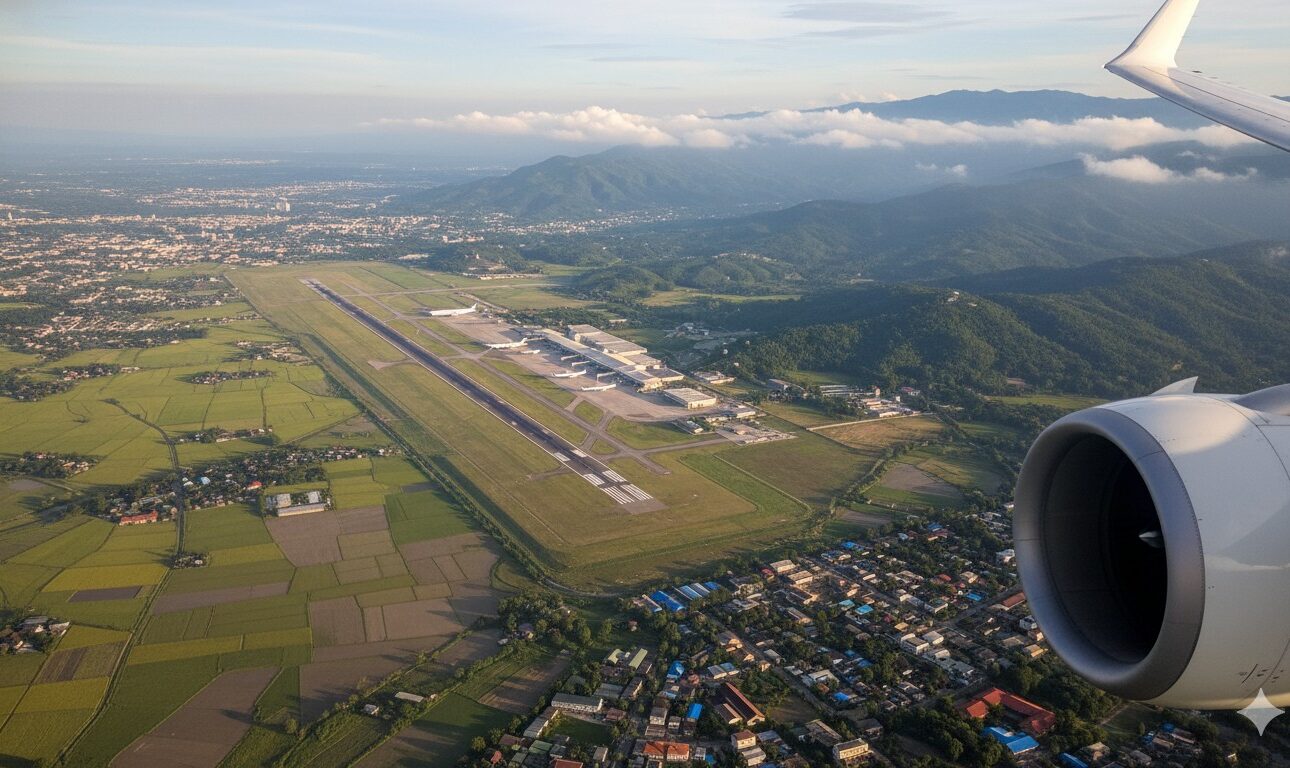
Airplane view of Chiang Mai

Chiang Mai Airport (CNX) – Ultimate Guide around

Welcome to Chiang Mai, a city of ancient temples, vibrant markets, and lush landscapes. Your adventure begins at Chiang Mai Airport (CNX), a conveniently located and easy-to-navigate gateway to Northern Thailand. This guide will ensure your arrival is as smooth as a traditional Thai silk scarf, covering everything from clearing immigration to finding your way to the city. Navigating the Airport Chiang Mai Airport has a single, two-story terminal building, making it incredibly straightforward for arriving passengers. The first floor is dedicated to arrivals for both domestic and international flights, while the second floor handles all departures. For international arrivals, you will first proceed to immigration. The process is typically efficient, with biometric systems in place. Following immigration, you’ll find the baggage claim carousels. Domestic passengers will head directly to baggage claim after disembarking. Once you have your luggage, you will pass through customs and enter the main arrivals hall. Here, you’ll find currency exchange counters, ATMs, and SIM card vendors to get you connected. Getting to Your Destination: Chiang Mai Airport Shuttle Bus and More You have several convenient options to get from the airport to your accommodation. There are 2 airport shuttle lines; The 24L line heads east, passing the Night Bazaar, while the 24R line goes west towards the Nimman area. Xam Hayden Convenient Luggage Solutions: Chiang Mai Airport Luggage Storage Arriving early for a flight or landing hours before your hotel check-in time doesn’t have to mean dragging your suitcases around the city. Utilizing the Chiang Mai airport luggage storage service allows you to start exploring hands-free the moment you arrive. The primary and most convenient option within the airport is provided by AIRPORTELs, a company specializing in luggage storage and delivery. You can find the AIRPORTELs counter on the first floor of the terminal building, conveniently located near gate 7, directly across from the Thai Post Office. This prime location makes it easy to drop off your bags right after you clear customs. Their service is available every day from 6:00 AM to midnight, accommodating nearly all flight schedules. The pricing is flexible to suit different needs. For short-term storage, the walk-in rate is 60 THB per hour. If you need to store your bags for a full day, the price is 150 THB per piece. They also offer weekly and monthly rates at 750 THB and 3,000 THB respectively, which is ideal for travelers on extended trips or with complex itineraries. The service isn’t limited to standard suitcases; they also accept special luggage like sports equipment or musical instruments for a slightly higher daily rate. To give you peace of mind while you explore, every piece of luggage is insured for up to 50,000 THB against damage or loss. This secure and professional service transforms a potentially inconvenient waiting period into an opportunity for more sightseeing, a relaxed meal, or some last-minute shopping without being encumbered by your belongings. Rest and Recharge: Airport Hotel Chiang Mai For those with an early morning flight or a long layover, staying at an airport hotel in Chiang Mai can be a great option. Several hotels are located just a short distance from the airport, offering convenience and comfort. Some popular choices include The Airport Greenery Hotel, which provides a free airport transfer, and the B2 Premier Hotel and Resort. From the moment you land, Chiang Mai offers a warm and welcoming experience. With this guide, you’ll be well-prepared to navigate the airport and begin your unforgettable journey in Northern Thailand. And if your travels are taking you further afield, consider the scenic route from Train Chiang Mai to Luang Prabang for your next adventure.

Kuang Si Waterfall in rainy season best time to visit Laos

The Best Time to Visit Laos: A Vibrant, Unbelievably Beautiful Journey You Need to Know

Laos, often called the land of a million elephants, is a serene and soulful destination tucked away in the heart of Southeast Asia. Known for its tranquil temples, misty mountains, golden sunsets over the Mekong River, and warm, welcoming locals, this hidden gem offers travelers an authentic experience untouched by mass tourism. To truly enjoy its charm and natural beauty, understanding best time to visit laos can make all the difference in creating an unforgettable journey. But before you pack your bags, one question matters most when is best time to visit Laos?Because your travel experience here can change dramatically with the seasons, from golden dry days perfect for exploration to lush green valleys shimmering after monsoon rains. Let’s explore everything you need to know about the seasons in Laos, so you can plan your dream trip at the perfect time. Understanding Laos’ Climate: Two Main Seasons Laos experiences a tropical monsoon climate, meaning it has two primary seasons: the dry season and the wet (rainy) season. Each brings its own unique charm, shaping the scenery, activities, and overall travel vibe. Choosing the best time to visit Laos depends on your interests whether you prefer adventure, photography, cultural immersion, or simply peaceful escapes surrounded by nature. 1. The Dry Season (October to April): The Most Popular Choice If you’re looking for ideal weather and easy travel conditions, the dry season is widely regarded as the best time to visit Laos. During these months, rainfall is minimal, the skies are crystal clear, and the landscapes are beautifully green after the monsoon. Cool Dry Season (October to February): Perfect for Exploration This period offers the most comfortable weather and is a favorite among travelers. Weather: Expect pleasant temperatures ranging from 15°C to 28°C, especially refreshing in the mornings and evenings. The north including destinations like Luang Prabang or Phongsali can get chilly at night, so pack a light jacket or sweater. Activities: Festivals:Don’t miss That Luang Festival (November) in Vientiane or Lao National Day (December 2nd) celebrations. These events showcase traditional music, parades, and cultural performances. Pros:✅ Perfect weather for sightseeing and outdoor activities✅ Clear visibility and easy transport connections✅ Stunning photography opportunities Cons:❌ Higher prices and larger crowds at popular tourist spots like Luang Prabang❌ Book accommodation early to secure good deals Hot Dry Season (March to April): Fiery and Festive As the dry season continues, the heat begins to rise quite literally. Weather:Temperatures often exceed 35°C, particularly in southern regions like Pakse or Champasak. Humidity also begins to build up as the rainy season approaches. Activities: Pros:✅ Fewer tourists, more relaxed atmosphere✅ Unique cultural celebrations and photo opportunities✅ Lower accommodation costs in some regions Cons:❌ Extreme heat can be uncomfortable for extended outdoor adventures❌ Some rural areas may experience smoky air due to regional farming practices 2. The Wet (Rainy) Season (May to September): A Different Kind of Beauty While some travelers shy away from the rainy months, those who visit during this time are rewarded with a completely different side of Laos lush, vibrant, and full of life. Weather:Expect temperatures between 25°C and 32°C and brief but intense afternoon showers. The mornings are often sunny, and the rain cools down the air, creating a refreshing atmosphere. Activities: Best Destinations: Pros:✅ Beautiful landscapes and photogenic skies✅ Lower travel costs and fewer crowds✅ A chance to see authentic local life without the tourist rush Cons:❌ Occasional road closures in rural areas due to heavy rain❌ Higher humidity levels may not suit everyone Quick Summary: Best Time to Visit Laos by Travel Style Travel Interest Recommended Time Why Cultural Exploration November – February Comfortable weather, major festivals, vibrant local life Nature & Trekking October – February Clear skies, cool air, scenic trails Budget Travel May – September Off-season discounts, quiet attractions Festival Lovers April Pi Mai Lao (Lao New Year) celebrations Photography & Landscapes June – August Lush greenery and dramatic skies after the rains Final Thoughts: So, When Is the Best Time to Visit Laos? If you want the most comfortable weather and full access to outdoor adventures, the cool dry season (October to February) is undoubtedly the best time to visit Laos. However, if you prefer fewer crowds, cheaper prices, and a more tranquil experience surrounded by lush landscapes, the rainy season (May to September) holds a special kind of magic the kind that rewards those willing to slow down and embrace the rhythm of nature. No matter when you visit, Laos will captivate you with its timeless charm, kind-hearted people, and breathtaking scenery. Whether under a blazing sun or soft monsoon drizzle, this peaceful country always leaves a lasting mark on your heart.

Login