Traveler enjoying riverside views from the slow boat to Laos.

Slow Boat to Laos: A Wondrous, Valuable Mekong Journey You Need to Know

Embarking on the slow boat to Laos is far more than a simple means of transport it’s an immersive journey that allows travelers to connect with the heart of Southeast Asia. This two-day voyage down the mighty Mekong River, from Huay Xai to Luang Prabang, offers breathtaking scenery, intimate glimpses into riverside life, and a chance to slow down and truly savor the journey. Whether you’re a seasoned backpacker or a traveler seeking a relaxed pace, the slow boat offers a unique way to experience Laos, making it one of the most memorable adventures in the region. Why Choose the Slow Boat to Laos? While faster options like flights or speedboats exist, the slow boat to Laos is a journey in itself. Here’s why travelers fall in love with it: Witness Stunning Landscapes The Mekong River carves a path through lush jungles, past remote villages, and beneath towering limestone karsts. The scenery constantly changes, from misty mornings reflecting on calm waters to vibrant sunsets over the riverbanks perfect for photography or simply soaking in nature. Experience Local Life Travelers share the boat with Lao locals transporting goods, chatting, or selling snacks. From floating villages to riverside farmers, the slow boat provides an authentic window into traditional Lao life that speedboats or flights simply cannot match. Relax and Unwind Without Wi-Fi or constant connectivity, the slow boat encourages travelers to disconnect. Read a book, listen to the river’s rhythm, or reflect quietly while the world drifts by. It’s a rare chance to slow down in a world that rarely does. Planning Your Slow Boat Journey: Essential Information 1. Visas for Laos Before boarding the slow boat, ensure your Laos visa is ready. Most nationalities can obtain a visa on arrival at the Huay Xai border. The cost is typically USD 30–40, and you’ll need a passport-sized photo. Always check updated visa requirements before traveling, as rules can change. 2. Getting to Huay Xai (from Thailand) Most travelers begin their journey in Chiang Khong, just across the border from Huay Xai: Once across, you’re ready to board the slow boat. 3. Buying Your Slow Boat Ticket Tickets can be purchased in several ways: Cost: Around 250,000–300,000 LAK (~USD 15–20) for the full two-day journey. What to Expect on Board Seating Slow boats are long wooden vessels with rows of seats. Some are repurposed car seats, others simple benches. It can get crowded, so arrive early to secure your preferred spot. Food and Drinks A small shop on board sells snacks, instant noodles, and drinks, including Beerlao. Bringing your own provisions is recommended, especially if you have dietary restrictions. Facilities Expect basic facilities: a simple toilet and no luxury amenities. The charm lies in its simplicity. Overnight Stop in Pakbeng The boat stops overnight in Pakbeng, a small riverside village roughly halfway to Luang Prabang. Guesthouses and restaurants cater to travelers. During peak season, consider pre-booking your accommodation, though many find a place upon arrival. The Journey Itself Day 1: Huay Xai to Pakbeng The boat departs around 9:00–11:30 AM. The first day is long, approximately 6–8 hours, filled with changing landscapes and vibrant riverside life. Arrive in Pakbeng late afternoon and enjoy a quiet evening in this quaint village. Day 2: Pakbeng to Luang Prabang Depart at a similar time as day one, passing through more scenic stretches of the Mekong. The boat arrives in Luang Prabang in the late afternoon. Tuk-tuks await at the pier to take you into the city center, marking the end of your slow but unforgettable journey. Tips for a Smooth and Enjoyable Slow Boat Experience Final Thoughts The slow boat to Laos is more than transportation it’s a journey that captures the spirit of the Mekong, Laos’s serene landscapes, and its warm-hearted people. By slowing down, you gain a rare perspective on life along the river and create memories that will last long after you disembark. For travelers seeking adventure, culture, and breathtaking scenery, the slow boat to Laos is an experience that cannot be missed.

Kuang Si Waterfall in rainy season best time to visit Laos

The Best Time to Visit Laos: A Vibrant, Unbelievably Beautiful Journey You Need to Know

Laos, often called the land of a million elephants, is a serene and soulful destination tucked away in the heart of Southeast Asia. Known for its tranquil temples, misty mountains, golden sunsets over the Mekong River, and warm, welcoming locals, this hidden gem offers travelers an authentic experience untouched by mass tourism. To truly enjoy its charm and natural beauty, understanding the best time to visit Laos can make all the difference in creating an unforgettable journey. But before you pack your bags, one question matters most when is the best time to visit Laos?Because your travel experience here can change dramatically with the seasons, from golden dry days perfect for exploration to lush green valleys shimmering after monsoon rains. Let’s explore everything you need to know about the seasons in Laos, so you can plan your dream trip at the perfect time. Understanding Laos’ Climate: Two Main Seasons Laos experiences a tropical monsoon climate, meaning it has two primary seasons: the dry season and the wet (rainy) season. Each brings its own unique charm, shaping the scenery, activities, and overall travel vibe. Choosing the best time to visit Laos depends on your interests whether you prefer adventure, photography, cultural immersion, or simply peaceful escapes surrounded by nature. 1. The Dry Season (October to April): The Most Popular Choice If you’re looking for ideal weather and easy travel conditions, the dry season is widely regarded as the best time to visit Laos. During these months, rainfall is minimal, the skies are crystal clear, and the landscapes are beautifully green after the monsoon. Cool Dry Season (October to February): Perfect for Exploration This period offers the most comfortable weather and is a favorite among travelers. Weather: Expect pleasant temperatures ranging from 15°C to 28°C, especially refreshing in the mornings and evenings. The north including destinations like Luang Prabang or Phongsali can get chilly at night, so pack a light jacket or sweater. Activities: Festivals:Don’t miss That Luang Festival (November) in Vientiane or Lao National Day (December 2nd) celebrations. These events showcase traditional music, parades, and cultural performances. Pros:✅ Perfect weather for sightseeing and outdoor activities✅ Clear visibility and easy transport connections✅ Stunning photography opportunities Cons:❌ Higher prices and larger crowds at popular tourist spots like Luang Prabang❌ Book accommodation early to secure good deals Hot Dry Season (March to April): Fiery and Festive As the dry season continues, the heat begins to rise quite literally. Weather:Temperatures often exceed 35°C, particularly in southern regions like Pakse or Champasak. Humidity also begins to build up as the rainy season approaches. Activities: Pros:✅ Fewer tourists, more relaxed atmosphere✅ Unique cultural celebrations and photo opportunities✅ Lower accommodation costs in some regions Cons:❌ Extreme heat can be uncomfortable for extended outdoor adventures❌ Some rural areas may experience smoky air due to regional farming practices 2. The Wet (Rainy) Season (May to September): A Different Kind of Beauty While some travelers shy away from the rainy months, those who visit during this time are rewarded with a completely different side of Laos lush, vibrant, and full of life. Weather:Expect temperatures between 25°C and 32°C and brief but intense afternoon showers. The mornings are often sunny, and the rain cools down the air, creating a refreshing atmosphere. Activities: Best Destinations: Pros:✅ Beautiful landscapes and photogenic skies✅ Lower travel costs and fewer crowds✅ A chance to see authentic local life without the tourist rush Cons:❌ Occasional road closures in rural areas due to heavy rain❌ Higher humidity levels may not suit everyone Quick Summary: Best Time to Visit Laos by Travel Style Travel Interest Recommended Time Why Cultural Exploration November – February Comfortable weather, major festivals, vibrant local life Nature & Trekking October – February Clear skies, cool air, scenic trails Budget Travel May – September Off-season discounts, quiet attractions Festival Lovers April Pi Mai Lao (Lao New Year) celebrations Photography & Landscapes June – August Lush greenery and dramatic skies after the rains Final Thoughts: So, When Is the Best Time to Visit Laos? If you want the most comfortable weather and full access to outdoor adventures, the cool dry season (October to February) is undoubtedly the best time to visit Laos. However, if you prefer fewer crowds, cheaper prices, and a more tranquil experience surrounded by lush landscapes, the rainy season (May to September) holds a special kind of magic the kind that rewards those willing to slow down and embrace the rhythm of nature. No matter when you visit, Laos will captivate you with its timeless charm, kind-hearted people, and breathtaking scenery. Whether under a blazing sun or soft monsoon drizzle, this peaceful country always leaves a lasting mark on your heart.

Chiang Mai to Luang Prabang trip

Chiang Mai to Luang Prabang: How to Seize the Most Jaw-Dropping Adventures

Dreaming of an adventure that connects the vibrant culture of Northern Thailand with the serene beauty of Laos? Traveling from Chiang Mai to Luang Prabang is a journey that combines bustling city life, scenic landscapes, and rich cultural experiences. Whether you’re exploring ancient temples, cruising along the Mekong River, or wandering through charming streets lined with French colonial architecture, this route offers an unforgettable Southeast Asian experience. This guide will help you plan your trip, explore travel options, and make the most of your time in both destinations. Why Travel from Chiang Mai to Luang Prabang? Chiang Mai, often called Thailand’s “Rose of the North,” is famous for its historic temples, night markets, and vibrant festivals. From the majestic Doi Suthep Temple overlooking the city to hands-on experiences like cooking classes and elephant sanctuaries, Chiang Mai offers an exciting introduction to Northern Thailand. On the other hand, Luang Prabang, a UNESCO World Heritage city, mesmerizes visitors with its spiritual ambiance, French colonial architecture, and stunning natural landscapes. The town’s slow pace, tranquil Mekong River views, and golden temples provide a perfect contrast to Chiang Mai’s lively atmosphere. Traveling from Chiang Mai to Luang Prabang lets you experience this cultural and geographical diversity, making your Southeast Asian adventure richer and more memorable. Your Travel Options: From Air to Land There are several ways to travel from Chiang Mai to Luang Prabang, each offering a unique experience based on your time, budget, and travel style. 1. Flying: The Quickest Way For travelers short on time, flying is the fastest and most convenient option. Flying is perfect for those who want to maximize their time in Luang Prabang without sacrificing comfort. 2. Overland Bus: The Budget-Friendly Adventure Traveling by bus offers a more economical and scenic option for adventurous travelers. This option gives you a taste of Northern Thailand’s countryside and the rural landscapes of Laos. 3. The Slow Boat: A Classic Mekong Experience The slow boat is one of the most memorable ways to experience the journey from Chiang Mai to Luang Prabang. This timeless journey remains a favorite among backpackers and adventure seekers. 4. High-Speed Train: Fast and Modern With the opening of the Laos-China Railway, a modern high-speed train offers a new, fast option. This option is ideal for travelers seeking efficiency without missing out on the scenic journey entirely. Border Crossing Information (Thailand to Laos) Most overland travelers cross at the Chiang Khong – Huay Xai border. Cultural Immersion in Luang Prabang Once you arrive in Luang Prabang, the city offers countless opportunities to experience Lao culture and natural beauty. Must-Do Experiences: Local Knowledge & Tips: Planning Your Visa for Laos Before your Chiang Mai to Luang Prabang adventure, ensure your visa requirements are in order. Conclusion The journey from Chiang Mai to Luang Prabang is more than just transportation; it’s an essential part of your Southeast Asian adventure. Whether you choose the speed of a flight, the budget-friendliness of a bus, the charm of the slow boat, or the modern efficiency of the high-speed train, each route offers unique experiences, scenic landscapes, and cultural immersion. Plan ahead, embrace the journey, and get ready to be enchanted by the spiritual charm and natural beauty of Luang Prabang. This adventure promises memories that will stay with you long after you leave Southeast Asia.

Bus from Chiang Rai to Laos passing through the Chiang Khong border

Chiang Rai to Laos: The Epic Journey That Will Make You Love Traveling Again

Are you dreaming of an unforgettable journey that takes you from the serene mountains of Northern Thailand to the peaceful riverside towns of Laos? Traveling from Chiang Rai to Laos is one of the most scenic and culturally rich routes in Southeast Asia. Whether you’re chasing adventure, cultural immersion, or breathtaking landscapes, this cross-border trip has everything you need for a memorable experience. In this guide, we’ll walk you through all the essentials from visa information and border crossings to transportation options, local tips, and what to expect once you arrive in Laos. Getting Started: Visa and Border Essentials Before setting off from Chiang Rai to Laos, it’s important to understand the visa requirements. The good news is that most nationalities can easily obtain a Visa on Arrival (VOA) at major border checkpoints and international airports in Laos. What You Need for a Laos Visa on Arrival Having these ready will make the border process smooth and efficient, allowing you to focus on enjoying your trip. Popular Border Crossing: Chiang Khong – Huay Xai The most common and convenient route when traveling from Chiang Rai to Laos is via the Chiang Khong – Huay Xai border crossing. This route is favored by backpackers, slow travelers, and those heading to Luang Prabang via the iconic Mekong slow boat. Transportation: How to Get from Chiang Rai to Laos Your journey typically involves a few simple steps, making it easy even for first-time travelers. Step 1: Chiang Rai to Chiang Khong Step 2: Crossing the Fourth Thai–Lao Friendship Bridge Upon arriving in Chiang Khong, proceed to the Thai immigration office to exit Thailand. After clearing immigration, take the mandatory shuttle bus across the Fourth Thai–Lao Friendship Bridge walking across is not allowed. Once you arrive on the Lao side at Huay Xai, you’ll go through Lao immigration, present your documents, pay the visa fee, and receive your entry stamp. Congratulations you’ve officially entered Laos! Step 3: Welcome to Huay Xai Gateway to Laos Huay Xai is a small but charming border town that serves as the gateway to northern Laos. While many travelers move on quickly, it’s worth spending a night here to enjoy the riverside atmosphere or prepare for the next leg of your journey. Top Things to Do in Huay Xai The Slow Boat from Huay Xai to Luang Prabang One of the most iconic and relaxing ways to travel deeper into Laos is by taking the slow boat from Huay Xai to Luang Prabang a two-day journey along the Mekong River that offers breathtaking scenery and a glimpse of authentic Lao village life. What to Expect on the Slow Boat If you’re not in a rush, this is arguably the most memorable way to travel from Chiang Rai to Luang Prabang via Laos. Other Transport Options from Huay Xai If the slow boat isn’t your style, you have alternatives: Cultural Tips for Traveling in Laos Laos is known for its friendly people and laid-back lifestyle. Here are a few tips to show respect and connect with locals: A little cultural awareness goes a long way in making your journey more rewarding. Must-See Destinations Beyond Huay Xai Once you’ve crossed from Chiang Rai to Laos, a world of exploration awaits: Ready for Your Chiang Rai to Laos Adventure? Traveling from Chiang Rai to Laos isn’t just a border crossing it’s a journey through culture, history, and some of Southeast Asia’s most stunning scenery. Whether you choose the slow boat to Luang Prabang or venture deeper into the country, every step offers new discoveries. Pack your bags, keep your camera ready, and get ready to say “Sabaidee!” to Laos your next unforgettable adventure awaits on the other side of the Mekong River.

Laos e-Visa process for international travelers

Laos e-Visa The Ultimate Hack That Makes Travel Stress-Free

Laos e-Visa: Your Complete Guide to a Smooth Online Application Are you dreaming of exploring the ancient temples of Luang Prabang, cruising the peaceful Mekong River, or chasing the majestic waterfalls of Southern Laos? If so, your journey starts even before your plane lands. Specifically, it begins with obtaining your Laos e-Visa. For many nationalities, applying for a Laos tourist visa is now easier than ever thanks to the convenient online e-Visa system. This guide covers everything you need to know from eligibility and requirements to application steps and travel tips so you can enter Laos hassle-free and start your adventure with confidence. What is the Laos e-Visa? The Laos e-Visa is an official electronic travel authorization that allows foreign visitors to apply for a tourist visa online, eliminating the need to visit an embassy or consulate in person. Once approved, your e-Visa will be sent directly to your email. Simply print it out and present it upon arrival at one of the designated entry points in Laos. Launched by the Lao government to simplify travel and promote tourism, the e-Visa system provides a single-entry visa valid for 30 days from your date of arrival. It’s designed to make visiting Laos quick, secure, and accessible for international travelers. Who is Eligible for the Laos e-Visa? Eligibility for the Laos e-Visa depends on your nationality. For example, most travelers from Europe, North America, Australia, and parts of Asia can apply online. However, because the official list is updated periodically, it’s always best to check the official Laos e-Visa website or a trusted service provider like laostravelvisa.com before applying. If your country is not listed among eligible nations, you will need to apply for a traditional visa through a Lao embassy or consulate in your country. Laos e-Visa Requirements: What You’ll Need Before starting your application, prepare the following documents and details to ensure a smooth process: Additionally, make sure that all documents are clear and legible. This will help you avoid delays in processing. The Laos e-Visa Application Process: Step-by-Step Applying for your Laos e-Visa online is simple and can be done in a few easy steps: 1. Visit the Official Portal Go to the Laos e-Visa application website 2. Complete the Application Form Fill in your personal details exactly as they appear in your passport this includes your full name, date of birth, nationality, passport number, and contact information. 3. Upload Required Documents Attach your passport photo and a scanned copy of your passport’s bio-data page. 4. Review and Confirm Therefore, double-check all information before submitting. Otherwise, even minor mistakes can lead to rejection or delays. 5. Pay the Processing Fee Use your credit or debit card to pay the visa fee. The amount includes the government’s visa fee and an additional service charge. 6. Receive Confirmation Email You’ll get an email confirming your submission. Keep this email safe. 7. Wait for Processing Processing time varies but typically takes 3–5 business days. 8. Print Your e-Visa Once approved, you’ll receive your Laos e-Visa approval letter via email. Print a copy to present upon arrival. Designated Entry Points for Laos e-Visa Holders The Laos e-Visa can only be used at specific international entry checkpoints. As of the latest update, these include: Always check the official e-Visa portal before traveling, as the list of entry and exit points may change. Important Tips for a Successful Laos e-Visa Application Applying for an e-Visa is easy however, small mistakes can cause big headaches.Therefore keep these tips in mind Beyond the Laos e-Visa: Getting Ready for Your Trip Once you’ve secured your Laos e-Visa, you’re ready to focus on enjoying the journey ahead. Here are a few final travel essentials: Final Thoughts: Simplify Your Journey with the Laos e-Visa The Laos e-Visa system has revolutionized travel to the Land of a Million Elephants. Moreover, by moving the entire process online, it has made entry into Laos faster, simpler, and more accessible for travelers from around the world. Whether you’re planning to explore Vientiane’s temples, relax in Luang Prabang’s peaceful streets, or trek through Bolaven Plateau’s waterfalls, your e-Visa ensures a smooth start to your adventure. So, gather your documents, apply online, and get ready to experience the charm, culture, and natural beauty that make Laos one of Southeast Asia’s most captivating destinations but you can contact us about Laos e-Visa if you have any questions.

Luang Prabang, Laos

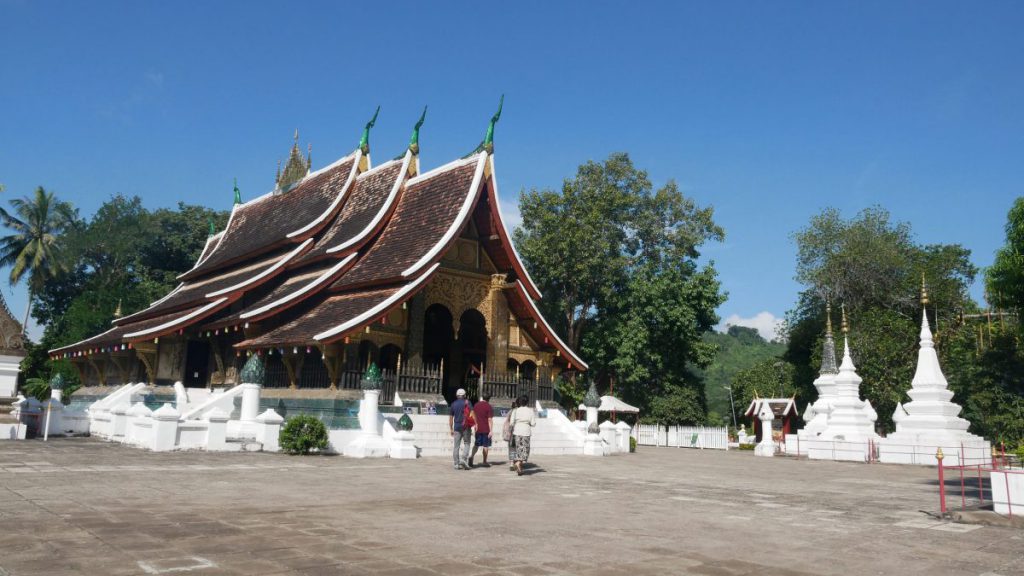
A world heritage city that is not large, but full of charm. Luang Prabang has been designated a World Heritage City by UNESCO as a model city that can preserve its original characteristics very well, both in terms of tangible things such as the overall condition of the city, places, ancient sites, objects, and intangible things such as various cultural traditions. Luang Prabang is an old city because it was the first capital of the Lan Xang Kingdom. It is located in the northern part of Laos along the Mekong River and the Khan River, which flow together to create beautiful natural scenery. The atmosphere in Luang Prabang is quiet. The townspeople live a simple life. There are many old temples, colonial-style houses, and friendly people. This is the charm of Luang Prabang that we don’t want you to miss.

Login