Laos Traveling Tourist

Discover the Best Places to Visit in Laos: A Journey Through the Jewel of the Mekong

Often overshadowed by its bustling neighbors, Thailand and Vietnam, Laos remains one of Southeast Asia’s most captivating secrets. Known as the “Land of a Million Elephants,” this landlocked nation offers a serene escape defined by lush jungles, limestone karsts, and a laid-back lifestyle that seems to pause time itself. If you are planning an adventure off the beaten path, here are the best places to visit in Laos that should be at the top of your itinerary. Luang Prabang: The Spiritual Heart No trip to Laos is complete without a stop in Luang Prabang. Designated a UNESCO World Heritage site, this former royal capital is a stunning blend of traditional Lao wooden houses and European colonial architecture. Vang Vieng: Adventure Among the Limestone Once known solely for its party scene, Vang Vieng has transformed into an eco-adventure hub. Nestled along the Nam Song River and surrounded by dramatic limestone mountains, it is a paradise for outdoor enthusiasts. Vientiane: The Relaxed Capital Vientiane is perhaps the most chilled-out capital city in the world. Located on the banks of the Mekong River, it offers a fascinating mix of French colonial history and Buddhist tradition. Si Phan Don (The 4,000 Islands) In the far south of the country, the Mekong River expands to create a watery archipelago known as Si Phan Don. This is the ultimate place to unwind. Life here moves at the pace of the river, and there are no cars on the main islands of Don Det and Don Khon. The Plain of Jars and More Places to Visit in Laos For history buffs and mystery lovers, the Plain of Jars in Xieng Khouang Province is a must. The landscape is scattered with thousands of massive stone jars dating back to the Iron Age. To this day, archaeologists are still debating their original purpose, though most believe they were associated with prehistoric burial practices. The Bolaven Plateau Located in southern Laos, the Bolaven Plateau is elevated high above the surrounding landscape, providing a cooler climate that is perfect for agriculture. It is the heart of Laos’ coffee production. Wat Phu Champasak Before Angkor Wat in Cambodia became the center of the Khmer Empire, there was Wat Phu. Located at the base of Mount Phu Kao, this ruined Khmer Hindu temple complex is a UNESCO World Heritage site that dates back more than 1,000 years. It offers a quieter, more intimate experience than its Cambodian counterpart, with sweeping views of the Mekong plains. Best Places to Visit in Laos? Explore different travel options below!

Houay Xai

Uncovering Houay Xai: More Than Just a Border Town

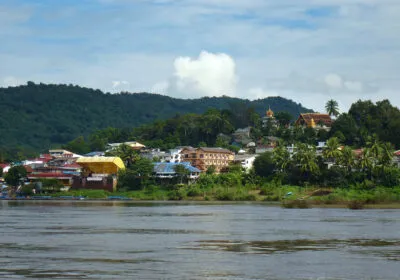
For many travelers, Houay Xai (also spelled Huay Xai) is simply a gateway—a brief stopover after crossing the border from Chiang Khong, Thailand, before catching the famous slow boat to Luang Prabang. However, rushing through this charming riverside capital of Bokeo Province is a mistake. Nestled along the banks of the Mekong River, Houay Xai offers a blend of colonial history, authentic culture, and adrenaline-pumping adventure that deserves a spot on your Laos itinerary. Whether you have 24 hours or a few days, here is your guide on what to do, places to visit, and the best food to eat in this hidden gem. Top Things to Do in Houay Xai 1. The Gibbon Experience Undoubtedly the crown jewel of Bokeo Province, the Gibbon Experience is the primary reason many travelers linger in Houay Xai. This eco-tourism project takes you deep into the Nam Kan National Park, where you zipline hundreds of meters above the jungle canopy and sleep in the world’s highest treehouses. It is a once-in-a-lifetime opportunity to spot the elusive black-crested gibbon and support local conservation efforts. 2. Sunset at Wat Chom Khao Manilat For the best view in town, climb the naga-lined staircase to Wat Chom Khao Manilat. This 19th-century Shan-style temple sits on a hill overlooking the town. Visit just before dusk to watch the sun dip behind the mountains of Thailand across the Mekong River—a golden hour spectacle that rivals any in Southeast Asia. 3. Explore Fort Carnot History buffs should head to Fort Carnot, one of the best-preserved colonial military outposts in Laos. Built by the French around 1900, the fort features crumbling watchtowers and old barracks. While you cannot enter every building due to safety, the grounds are open to explore, offering a hauntingly beautiful glimpse into the region’s colonial past and excellent panoramic views of Houay Xai. 4. Wander the Morning Market (Talat Sao) To see the real pulse of the town, wake up early and visit the Morning Market. Unlike tourist-centric markets in larger cities, this is where locals shop. You will find ethnic minority hill tribes selling fresh produce, jungle herbs, and exotic meats. It is a sensory overload and a fantastic place for photographers to capture daily life in Houay Xai. Must-Try Food in Houay Xai Laotian cuisine is distinct, spicy, and herb-heavy. When in Houay Xai, you are in the perfect spot to try Northern Lao specialties. Where to Eat Practical Tips for Visiting Houay Xai is a destination that rewards the curious. By spending a little extra time here, you’ll discover a relaxed, authentic side of Laos that sets the perfect tone for your adventures ahead.

Chiang Rai to Luang Prabang Sleeper Bus

Sleeper Bus Chiang Rai to Luang Prabang Ultimate Guide

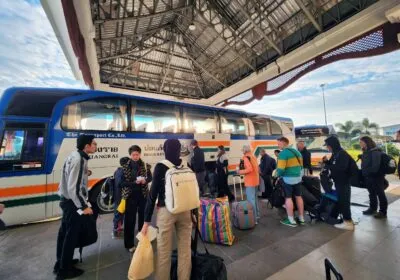
While the slow boat down the Mekong is the famous “backpacker rite of passage,” it isn’t the only way to get from Northern Thailand to Laos. If you are short on time, prone to seasickness, or simply want to save a day of travel, the Bus Chiang Rai to Luang Prabang is a viable, adventurous alternative. Warning: This is not a luxury VIP coach ride. It is a genuine Southeast Asian overland adventure. Here is everything you need to know to make the trip smoothly. Is there a “Direct” Bus from Chiang Rai to Luang Prabang? No. There is no single vehicle that picks you up in Chiang Rai and drops you in Luang Prabang.When travel agents in Chiang Rai sell you a “Direct Bus” ticket (Usually priced between 950 – 12,200 THB) They are ctually selling you a package that includes: You can buy this package for peace of mind, or you can easily DIY the journey for slightly less money (about 700 – 900 THB total) by paying for each leg individually. The Schedule at a Glance Total Time: Approx. 16 – 18 HoursDeparture:Leave Chiang Rai by 10:00 AMSleeper Bus Departure: The bus from Huay Xai (Laos) Typically Leaves between 5:00 PM and 6:00 PM.Arrival: You arrive in Luang Prabang early the next morning, usually around 6:00 AM – 8:00 AM. Step-by-Step Guide: The DIY Route Step 1: Chiang Rai to the Border (Chiang Khong) Step 2: Crossing the Border Step 3: Huay Xai Border to the Bus station Once you are officially in Laos, ignore the expensive taxi offers if possible. Look for a shared Songthaew (pickup truck taxi).Ask to go to the “Pet Aloon” or “Bokeo” Bus Station (often called the International Bus Station). It is about 5-7km from the border.Cost: 100–200 THB depending on your negotiation skills and group size. Step 4: Sleeper Bus Chiang Rai to Luang Prabang Pros and Cons vs. The Slow Boat Feature Sleeper Bus Slow Boat Duration 1 Night (16 hours total) 2 Days (travel during day, stop at night) Cost Budget Friendly (~$25–35 USD total) Cheap (~$30), but you pay for 1 night hotel in Pak Beng Comfort Low (Bumpy roads, cramped bunks) Medium (Hard wooden benches or car seats) Scenery None (It’s dark) High (Beautiful river views) Vibe “Let’s get this over with” Social, relaxed, beer-drinking Survival Tips for the Bus The Verdict It is advised that you take the Sleeper Bus if you are on a tight schedule or tight budget and just want to arrive in Luang Prabang, otherwise if you want to have a decompressed travel, where you can enjoy the scenery, and meet other travelers.

slowboat to luang prabang

Slow Boat to Luang Prabang: Quick and Reliable Travelers guide

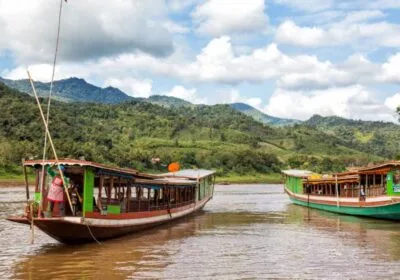
For many travelers in Southeast Asia, the journey is just as important as the destination. Nowhere is this truer than on the Slow boat to Luang Prabang, a legendary two-day voyage that drifts down the mighty Mekong River. Connecting the Thai border town of Huay Xai to the UNESCO heritage city of Luang Prabang, this trip is a rite of passage. It forces you to disconnect from the digital world, unwind, and watch the stunning landscapes of Northern Laos float by. If you are planning to take the slow boat to Luang Prabang, here is everything you need to know about this unforgettable adventure. What is the Laos Slow Boat? The Laos Slow Boat is a long, narrow wooden vessel specifically designed to navigate the shifting currents of the Mekong. Unlike the dangerous speedboats (which wear helmets for a reason!) or the cramped overnight buses, the slow boat is about comfort and leisure. The boats are generally 30 to 50 meters long and are often fitted with repurposed car seats or soft benches, offering plenty of legroom. With an open-air design, you get a panoramic view of the jungle-clad mountains, water buffalo cooling in the river, and children waving from bamboo villages. The Itinerary: What to Expect going on a Slow Boat to Luang Prabang The journey covers roughly 300 kilometers and is split over two days, as the boats do not travel at night due to rocks and rapids. Day 1: Huay Xai to PakbengYour journey usually begins around 11:00 AM after clearing immigration at the Huay Xai border. As the engine roars to life, you leave civilization behind. The first day involves about 6 to 7 hours of cruising. This is usually the perfect time to crack open a book, meet fellow travelers from around the world or enjoy some snacks or beverages on the boat. The stopover – PakbengBy Late after noon, the boat docks at Pakbeng, a rustic village perched on the steep riverbanks. This is the midway point where everyone disembarks for the night. You will find plenty of guesthoues and restaurants serving local Lao curry and sticky rice. It is quiet, atmospheric and mostly a nice break before the second part of your trip Day 2: Pakbeng to Luang PrabangOn the second morning, the slow boat to Luang Prabang departs around 9:00 AM. The scenery on day two is often considered even more spectacular, with towering limestone cliffs and narrower river passages. Before arriving at the main pier, many boats slow down as they pass the famous Pak Ou Caves, home to thousands of Buddha Statues. FInally, late in the afternoon, you will dock just outside Luang Prabang, ready to explore the city. Life on Board: Comfort and Amenities Top Tips for the Slow Boat to Luang Prabang Chiang Rai to Luang Prabang The classic journey begins after crossing the border at Huay Xai, where travelers board long wooden boats for a scenic two-day drift down the Mekong River. As the vessel navigates the current, passengers enjoy a meditative parade of lush jungles and limestone cliffs before docking for the mandatory overnight stop in the quiet town of Pak Beng. Days on the water are spent disconnecting from the world, chatting with fellow backpackers, and watching water buffalo and fishermen along the muddy banks. If you are interested in booking a trip on a Slow Boat to Luang Prabang to Chiang Rai, CLICK HERE to book your slow boat trips now! Chiang Mai to Luang Prabang The adventure begins with an early morning transfer from Chiang Mai to the Thai-Lao border, where you cross over to Huay Xai to board the traditional long boat. This initial leg transitions into a scenic two-day cruise down the Mekong River, pausing only for a rustic overnight stay in the village of Pak Beng. As the boat drifts past jungle-clad mountains and remote settlements, travelers spend the daylight hours relaxing and soaking in the tranquil river views. If you are interested in booking a trip on a Slow Boat to Luang Prabang from Chiang Mai, CLICK HERE to book your slow boat trips now! If you are interested: We have a link here for you, to book the different rides on Slow Boat that will lead you to Luang Prabang. We will be the ones provide the service and help out if there are any difficulties.

Luang Prabang Tour

Luang Prabang Tour Package: Discover the Heart of Laos

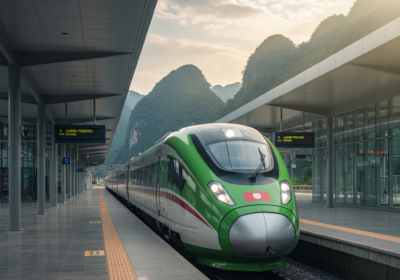
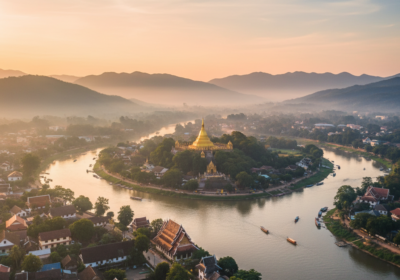
If Southeast Asia has a soul, it resides in Luang Prabang. Nestled at the confluence of the Nam Khan and Mekong rivers, this former royal capital is a place where time seems to slow down. A Luang Prabang tour is not about checking off a frantic bucket list; it is about immersing yourself in a blend of French colonial charm, golden Buddhist temples, and breathtaking natural wonders. Whether you are arriving from a slow boat down the Mekong or flying directly in, here is the ultimate guide to experiencing the magic of this UNESCO World Heritage city. Witness the Alms giving Ceremony (Tak Bat) The city wakes up before the sun, at dawn, hundreds of saffron-robed monks walk barefoot in a single file through the misty streets to collect alms (sticky rice) from the locals. This ancient tradition, known as Tak Bat, is the spiritual heartbeat of the city. Visitor tip: If you wish to participate, buy your rice from local markets rather from street vendors for quality, however many visitors prefer to observe quietly from a distance. Please dress conservatively, keep your voice low and don’t use camera flash Chasing Waterfalls: Kuang Si Falls #image_title No Luang Prabang tour is complete without a visit to the Kuang Si Falls. Located about 30km south of the city, these three-tiered waterfalls are famous for their surreal, milky-turquoise waters. The main cascade drops 60 meters into a series of limestone pools that are perfect for swimming. Before you reach the falls, you will walk through the Tat Kuang Si Bear Rescue Centre, where you can see Asiatic Black Bears (Moon Bears) rescued from poachers playing in their enclosures. Best time to go: Arrive by 9:00 AM to beat the tour buses and have the pools to yourself. Temple Hopping: Wat Xieng Thong Luang Prabang is home to over 30 majestic temples, but if you only visit one, make it Wat Xieng Thong (Temple of the Golden City). Built in 1560, it represents the classic Luang Prabang architectural style with sweeping, low-hanging roofs. Don’t miss the “Red Chapel” on the grounds, which features a rare reclining Buddha, and the stunning “Tree of Life” glass mosaic on the rear wall of the main temple. Climb Mount Phousi for Sunset Rising 100 meters above the city center, Mount Phousi offers a 360-degree panoramic view of the town, the rivers, and the surrounding jungle mountains. It is a steep climb of over 300 steps, but the reward is arguably the best sunset in Laos. As the sun dips behind the mountains, the Mekong River turns gold, and the city lights begin to twinkle below. Pro Tip: It gets crowded at sunset. Go 45 minutes early to secure a good viewing spot near the stupa at the summit. The Pak Ou Caves For a day trip on the water, take a boat up the Mekong to the Pak Ou Caves. Located in a limestone cliff overlooking the river, these two caves are a sanctuary for retired religious icons. Inside, you will find over 4,000 Buddha statues of varying sizes and shapes, left by pilgrims over hundreds of years. The Night market and Street Food As dusk falls, the main road (Sisavangvong Road) is closed to traffic and transforms into a vibrant Night Market. Unlike many markets in Southeast Asia, the vibe here is quiet and relaxed. Under red and blue tents, Hmong and Lao artisans sell handmade textiles, silver jewelry, and ceramics. After shopping, head to the narrow food alley at the start of the market. Here you can find: Khao Soi: A spicy Lao noodle soup (different from the Thai version). Sai Oua: Local herbal pork sausage. Grilled River Fish: Salt-crusted and cooked over charcoal. Best Time to Visit Luang Prabang The dry season runs from November to March, offering pleasant temperatures and clear blue skies. This is the peak season for a Luang Prabang tour. March to May can be quite hot, while the wet season (June to October) brings lush green landscapes and powerful waterfalls, though rain is frequent. Conclusion Luang Prabang is a city that stays with you long after you leave. It is in the smell of frangipani flowers, the taste of spicy Jeow bong dip, and the sight of monks walking past colonial villas. Whether you are seeking adventure in the waterfalls or peace in the temples, a tour of this enchanting city is a highlight of any Southeast Asian journey. In case you are interested to go on a trip: We offer a variety of different transportation services to take you to Luang Prabang, luckily we have 3 choices just for you down below. Bus Trip to Luang Prabang Slow Boat to Luang Prabang Train to Luang Prabang

Slow boat Pier Laos Pak Beng Can Get Buys

A slow boat pier Laos Pak Beng: Quick insight for tourist

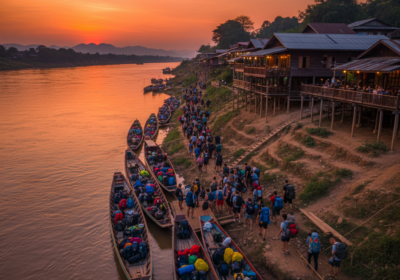
Slow Boat Pier Laos Pak Beng When your boat docks in Slow boat pier laos Pak Beng, don’t expect a fancy terminal. The pier is essentially a sandy riverbank where boats tie up for the night. Located on the right side of the Mekong, it serves as the gateway to this charming overnight stop. While the climb up the bank can be steep, porters are usually available to help with luggage. The Location of the pier is on the right of the Mekong River, at the edge of the village. Getting around from the pier, it’s an easy walk up a path or road into the main part of Pak beng, You’ll see guesthouses and restaurants lining the way. Your Arrival time boats usually arrive late in the afternoon, just as the sun starts to dip, it’s quite the lovely time to see the river. Why Stop at Pak Beng? Slow boat port at Pak Beng isn’t just a place to get off one boat and onto another, it’s a change to experience a bit of the local Lao life. Rest and Recharge yourself, after a full day on the slow boat, you’ll be ready for a comfortable bed and a good meal. Pak Beng has many guesthouses to choose from.The Local Food is simple and easy to enjoy, most of the delicious Lao food would be by the riverside restaurants. Try some fresh fish from the Mekong! Explore a little of the area, take a walk through the village, you might see local markets, children playing, and enjoy the peaceful atmosphere. It’s a great way to stretch your legs after sitting so long on the Slow Boat.You also get to meet fellow travelers, as slow boat pier Laos Pak Beng and the town of Pak Beng are known to be a natural meeting points you’ll most likely see many of the same faces from your slow boat, making it an easy interaction to share travel stories with those you were with before. Continuing Your Journey: Slow Boat Pier Laos Pak Beng to Luang Prabang On day two, you will return to the pier for the second leg of your slow boat adventure. Boats generally depart around 9:00 AM, but it is highly recommended to arrive at least 45 minutes early to claim a good seat away from the noisy engine at the back. Before you board, stock up on snacks and sandwiches from the local vendors in Pak Beng, as food options on board are limited. The ride to Luang Prabang takes approximately 7–8 hours, eventually dropping you off at the slow boat terminal about 10km outside the city, where tuk-tuks will be waiting to take you into town. Tips for Your Visit Pak Beng: Pak Beng might be a small stop on your big adventure, but it’s a memorable part of the famous Laos slow boat experience. Enjoy your time by the river! Ready for the journey to Pak Beng Pier by Slow Boat then Click HERE to book your tickets before they run out! Planning your trip to Laos? Don’t forget to check our website for information on Laos travel visas and other helpful tips!

Login