Laos Travel Visa

Laos Travel Visa Requirements for out of country travelers

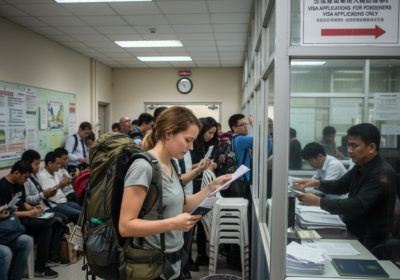
Everything you need to know to enter the Land of a Million Elephants. Planning a trip to Laos? The good news is that getting in is easier than ever. Whether you are backpacking overland or flying into Luang Prabang, here is the quick breakdown of how to get your visa so you can start enjoying the sticky rice and sunsets sooner. 1. Do You Need a Visa? (Visa Exemption) Before you apply, check if you are one of the lucky ones! Travelers from ASEAN countries (Thailand, Vietnam, Singapore, Malaysia, Philippines, etc.) and a few others can enter Visa-Free.[1] Not on the list? Don’t worry—getting a visa is simple. 2. Option A: Visa On Arrival (The Most Popular) Perfect for spontaneous travelers. You can get your visa the moment you land at major airports (Vientiane, Luang Prabang, Pakse) or cross most Friendship Bridges. 3. Option B: The E-Visa (The “Skip the Line” Choice) If you like peace of mind, apply online before you fly. ⚠️ NEW Laos Travel Visa for Late 2025: The Digital Arrival Card As of late 2025, Laos has introduced a Digital Arrival/Departure Card to replace the old paper forms. The “Must-Have” Checklist No matter which visa you choose, ensure you have these three things in your bag: Lao Tourist Visa Interested in having more information about you Laos Travel Visa? We have a category to lead you directly the VISA types and how to obtain them below ⬇️ Want to Stay Longer? Falling in love with the vibe? You can easily extend your tourist visa twice (for up to 60 extra days total) at the Immigration Offices in Vientiane or Luang Prabang. The cost is roughly $2 USD per day.

Chiang Rai to Luang Prabang Sleeper Bus

Chiang Rai to Luang Prabang: Sleeper Bus Ultimate Guide

While the slow boat down the Mekong is the famous “backpacker rite of passage,” it isn’t the only way to get from Northern Thailand to Laos. If you are short on time, prone to seasickness, or simply want to save a day of travel, the sleeper bus from Chiang Rai to Luang Prabang is a viable, adventurous alternative. Warning: This is not a luxury VIP coach ride. It is a genuine Southeast Asian overland adventure. Here is everything you need to know to make the trip smoothly. Is there a “Direct” Bus from Chiang Rai to Luang Prabang? No. There is no single vehicle that picks you up in Chiang Rai and drops you in Luang Prabang.When travel agents in Chiang Rai sell you a “Direct Bus” ticket (Usually priced between 950 – 12,200 THB) They are ctually selling you a package that includes: You can buy this package for peace of mind, or you can easily DIY the journey for slightly less money (about 700 – 900 THB total) by paying for each leg individually. The Schedule at a Glance Total Time: Approx. 16 – 18 HoursDeparture:Leave Chiang Rai by 10:00 AMSleeper Bus Departure: The bus from Huay Xai (Laos) Typically Leaves between 5:00 PM and 6:00 PM.Arrival: You arrive in Luang Prabang early the next morning, usually around 6:00 AM – 8:00 AM. Step-by-Step Guide: The DIY Route Step 1: Chiang Rai to the Border (Chiang Khong) Step 2: Crossing the Border Step 3: Huay Xai Border to the Bus station Once you are officially in Laos, ignore the expensive taxi offers if possible. Look for a shared Songthaew (pickup truck taxi).Ask to go to the “Pet Aloon” or “Bokeo” Bus Station (often called the International Bus Station). It is about 5-7km from the border.Cost: 100–200 THB depending on your negotiation skills and group size. Step 4: The Sleeper Bus to Luang Prabang Pros and Cons vs. The Slow Boat Feature Sleeper Bus Slow Boat Duration 1 Night (16 hours total) 2 Days (travel during day, stop at night) Cost Budget Friendly (~$25–35 USD total) Cheap (~$30), but you pay for 1 night hotel in Pak Beng Comfort Low (Bumpy roads, cramped bunks) Medium (Hard wooden benches or car seats) Scenery None (It’s dark) High (Beautiful river views) Vibe “Let’s get this over with” Social, relaxed, beer-drinking Survival Tips for the Bus The Verdict It is advised that you take the Sleeper Bus if you are on a tight schedule or tight budget and just want to arrive in Luang Prabang, otherwise if you want to have a decompressed travel, where you can enjoy the scenery, and meet other travelers.

slowboat to luang prabang

Slow Boat to Luang Prabang: Quick and Reliable Travelers guide

For many travelers in Southeast Asia, the journey is just as important as the destination. Nowhere is this truer than on the Slow boat to Luang Prabang, a legendary two-day voyage that drifts down the mighty Mekong River. Connecting the Thai border town of Huay Xai to the UNESCO heritage city of Luang Prabang, this trip is a rite of passage. It forces you to disconnect from the digital world, unwind, and watch the stunning landscapes of Northern Laos float by. If you are planning to take the slow boat to Luang Prabang, here is everything you need to know about this unforgettable adventure. What is the Laos Slow Boat? The Laos Slow Boat is a long, narrow wooden vessel specifically designed to navigate the shifting currents of the Mekong. Unlike the dangerous speedboats (which wear helmets for a reason!) or the cramped overnight buses, the slow boat is about comfort and leisure. The boats are generally 30 to 50 meters long and are often fitted with repurposed car seats or soft benches, offering plenty of legroom. With an open-air design, you get a panoramic view of the jungle-clad mountains, water buffalo cooling in the river, and children waving from bamboo villages. The Itinerary: What to Expect going on a Slow Boat to Luang Prabang The journey covers roughly 300 kilometers and is split over two days, as the boats do not travel at night due to rocks and rapids. Day 1: Huay Xai to PakbengYour journey usually begins around 11:00 AM after clearing immigration at the Huay Xai border. As the engine roars to life, you leave civilization behind. The first day involves about 6 to 7 hours of cruising. This is usually the perfect time to crack open a book, meet fellow travelers from around the world or enjoy some snacks or beverages on the boat. The stopover – PakbengBy Late after noon, the boat docks at Pakbeng, a rustic village perched on the steep riverbanks. This is the midway point where everyone disembarks for the night. You will find plenty of guesthoues and restaurants serving local Lao curry and sticky rice. It is quiet, atmospheric and mostly a nice break before the second part of your trip Day 2: Pakbeng to Luang PrabangOn the second morning, the slow boat to Luang Prabang departs around 9:00 AM. The scenery on day two is often considered even more spectacular, with towering limestone cliffs and narrower river passages. Before arriving at the main pier, many boats slow down as they pass the famous Pak Ou Caves, home to thousands of Buddha Statues. FInally, late in the afternoon, you will dock just outside Luang Prabang, ready to explore the city. Life on Board: Comfort and Amenities Top Tips for the Slow Boat to Luang Prabang Chiang Rai to Luang Prabang The classic journey begins after crossing the border at Huay Xai, where travelers board long wooden boats for a scenic two-day drift down the Mekong River. As the vessel navigates the current, passengers enjoy a meditative parade of lush jungles and limestone cliffs before docking for the mandatory overnight stop in the quiet town of Pak Beng. Days on the water are spent disconnecting from the world, chatting with fellow backpackers, and watching water buffalo and fishermen along the muddy banks. If you are interested in booking a trip on a Slow Boat to Luang Prabang to Chiang Rai, CLICK HERE to book your slow boat trips now! Chiang Mai to Luang Prabang The adventure begins with an early morning transfer from Chiang Mai to the Thai-Lao border, where you cross over to Huay Xai to board the traditional long boat. This initial leg transitions into a scenic two-day cruise down the Mekong River, pausing only for a rustic overnight stay in the village of Pak Beng. As the boat drifts past jungle-clad mountains and remote settlements, travelers spend the daylight hours relaxing and soaking in the tranquil river views. If you are interested in booking a trip on a Slow Boat to Luang Prabang from Chiang Mai, CLICK HERE to book your slow boat trips now! If you are interested: We have a link here for you, to book the different rides on Slow Boat that will lead you to Luang Prabang. We will be the ones provide the service and help out if there are any difficulties.

Laos Elephants

What is the best time to visit Laos?

Planning a trip to the “Land of a Million Elephants”? Choosing what is the best time to visit Laos is crucial for ensuring your adventure is filled with stunning sunsets and comfortable treks rather than muddy roads and scorching heat. While the general agreement is that the dry, cool months of November to February offer the most comfortable climate, Laos is a dynamic destination where every season offers a unique reward. Whether you want to witness the magical Lao New Year, explore lush waterfalls without the crowds, or simply enjoy a Mekong River cruise, this guide breaks down exactly when to pack your bags. The Best Overall Time: November to February Best weather condition for traveling to Laos. If you are looking for the “Goldilocks” of weathers, Not too hot nor too rainy. November through February is widely considered the best time to visit Laos. The weather would be clear blue skies with low humidity and pleasant temperatures averaging between 20°C to 25°C (68°F – 77°F). In the Northern regions like Luang Prabang and the mountain areas, the mornings and nights can actually get quite chilly, so preparing a light jacket is essential. Theres more to the reason why you should go now, is for the outdoor activities, Trekking in Van Vieng, Cycling around Don Det and exploring the ancient temples of Vientiane are so worth it during these months. The trade off would be that since this is the peak toursit season, popular spots will be busier and accommodation prices may be slightly higher. The Hot Season: March to April As the cool dry season ends, the heat begins to build rapidly. By April, temperatures can soar above 35°C (95°F), making this the hottest time of the year. The “Smoky” Season: One critical factor to consider is the agricultural “slash and burn” practice that occurs in late February and March. This can cause hazy skies in Northern Laos, obscuring mountain views and potentially irritating those with respiratory issues. The Big Draw (Lao New Year): Despite the heat, mid-April is one of the most exciting times to visit due to Pi Mai (Lao New Year). The entire country transforms into a massive water fight. It is a culturally rich, chaotic, and incredibly fun celebration that provides a welcome relief from the heat. The Green Season: May to October As the cool dry season winds down, the heat builds rapidly, with temperatures often soaring above 35°C (95°F) by April, making this the hottest time of the year. Travelers should be aware of the “Smoky” Season during late February and March, when agricultural “slash and burn” practices can cause hazy skies in Northern Laos that obscure mountain views and may irritate those with respiratory sensitivities. However, despite the intense heat, mid-April remains one of the most exciting times to visit because of Pi Mai (Lao New Year); this culturally rich event transforms the entire country into a massive, chaotic, and incredibly fun water fight, offering a festive and welcome relief from the soaring temperatures. Laos Weather by Month: A Quick Snapshot A quick little table of the best weathers to visit Laos. A list of transportation that will take you to Laos Bus Trips Buses from Thailand to Laos Click here Train Trips Trains taking you from Thailand – Laos Click here Slow Boat Trips Join the watery adventures Click here Conclusion So, what is the best time to visit Laos? For the best weather: Go between November and February.  For culture and festivals: Go in April or October.  For nature and value: Go in the Green Season (June-September). No matter when you choose to land in Vientiane or Luang Prabang, Laos’s laid-back charm and welcoming people make it a spectacular destination year-round.

Traveler enjoying riverside views from the slow boat to Laos.

Slow Boat to Laos: A Wondrous, Valuable Mekong Journey You Need to Know

Embarking on the slow boat to Laos is far more than a simple means of transport it’s an immersive journey that allows travelers to connect with the heart of Southeast Asia. This two-day voyage down the mighty Mekong River, from Huay Xai to Luang Prabang, offers breathtaking scenery, intimate glimpses into riverside life, and a chance to slow down and truly savor the journey. Whether you’re a seasoned backpacker or a traveler seeking a relaxed pace, the slow boat offers a unique way to experience Laos, making it one of the most memorable adventures in the region. Why Choose the Slow Boat to Laos? While faster options like flights or speedboats exist, the slow boat to Laos is a journey in itself. Here’s why travelers fall in love with it: Witness Stunning Landscapes The Mekong River carves a path through lush jungles, past remote villages, and beneath towering limestone karsts. The scenery constantly changes, from misty mornings reflecting on calm waters to vibrant sunsets over the riverbanks perfect for photography or simply soaking in nature. Experience Local Life Travelers share the boat with Lao locals transporting goods, chatting, or selling snacks. From floating villages to riverside farmers, the slow boat provides an authentic window into traditional Lao life that speedboats or flights simply cannot match. Relax and Unwind Without Wi-Fi or constant connectivity, the slow boat encourages travelers to disconnect. Read a book, listen to the river’s rhythm, or reflect quietly while the world drifts by. It’s a rare chance to slow down in a world that rarely does. Planning Your Slow Boat Journey: Essential Information 1. Visas for Laos Before boarding the slow boat, ensure your Laos visa is ready. Most nationalities can obtain a visa on arrival at the Huay Xai border. The cost is typically USD 30–40, and you’ll need a passport-sized photo. Always check updated visa requirements before traveling, as rules can change. 2. Getting to Huay Xai (from Thailand) Most travelers begin their journey in Chiang Khong, just across the border from Huay Xai: Once across, you’re ready to board the slow boat. 3. Buying Your Slow Boat Ticket Tickets can be purchased in several ways: Cost: Around 250,000–300,000 LAK (~USD 15–20) for the full two-day journey. What to Expect on Board Seating Slow boats are long wooden vessels with rows of seats. Some are repurposed car seats, others simple benches. It can get crowded, so arrive early to secure your preferred spot. Food and Drinks A small shop on board sells snacks, instant noodles, and drinks, including Beerlao. Bringing your own provisions is recommended, especially if you have dietary restrictions. Facilities Expect basic facilities: a simple toilet and no luxury amenities. The charm lies in its simplicity. Overnight Stop in Pakbeng The boat stops overnight in Pakbeng, a small riverside village roughly halfway to Luang Prabang. Guesthouses and restaurants cater to travelers. During peak season, consider pre-booking your accommodation, though many find a place upon arrival. The Journey Itself Day 1: Huay Xai to Pakbeng The boat departs around 9:00–11:30 AM. The first day is long, approximately 6–8 hours, filled with changing landscapes and vibrant riverside life. Arrive in Pakbeng late afternoon and enjoy a quiet evening in this quaint village. Day 2: Pakbeng to Luang Prabang Depart at a similar time as day one, passing through more scenic stretches of the Mekong. The boat arrives in Luang Prabang in the late afternoon. Tuk-tuks await at the pier to take you into the city center, marking the end of your slow but unforgettable journey. Tips for a Smooth and Enjoyable Slow Boat Experience Final Thoughts The slow boat to Laos is more than transportation it’s a journey that captures the spirit of the Mekong, Laos’s serene landscapes, and its warm-hearted people. By slowing down, you gain a rare perspective on life along the river and create memories that will last long after you disembark. For travelers seeking adventure, culture, and breathtaking scenery, the slow boat to Laos is an experience that cannot be missed.

Chiang Mai Airport (CNX) – Ultimate Guide around

Welcome to Chiang Mai, a city of ancient temples, vibrant markets, and lush landscapes. Your adventure begins at Chiang Mai Airport (CNX), a conveniently located and easy-to-navigate gateway to Northern Thailand. This guide will ensure your arrival is as smooth as a traditional Thai silk scarf, covering everything from clearing immigration to finding your way to the city. Navigating the Airport Chiang Mai Airport has a single, two-story terminal building, making it incredibly straightforward for arriving passengers. The first floor is dedicated to arrivals for both domestic and international flights, while the second floor handles all departures. For international arrivals, you will first proceed to immigration. The process is typically efficient, with biometric systems in place. Following immigration, you’ll find the baggage claim carousels. Domestic passengers will head directly to baggage claim after disembarking. Once you have your luggage, you will pass through customs and enter the main arrivals hall. Here, you’ll find currency exchange counters, ATMs, and SIM card vendors to get you connected. Getting to Your Destination: Chiang Mai Airport Shuttle Bus and More You have several convenient options to get from the airport to your accommodation. There are 2 airport shuttle lines; The 24L line heads east, passing the Night Bazaar, while the 24R line goes west towards the Nimman area. Xam Hayden Convenient Luggage Solutions: Chiang Mai Airport Luggage Storage Arriving early for a flight or landing hours before your hotel check-in time doesn’t have to mean dragging your suitcases around the city. Utilizing the Chiang Mai airport luggage storage service allows you to start exploring hands-free the moment you arrive. The primary and most convenient option within the airport is provided by AIRPORTELs, a company specializing in luggage storage and delivery. You can find the AIRPORTELs counter on the first floor of the terminal building, conveniently located near gate 7, directly across from the Thai Post Office. This prime location makes it easy to drop off your bags right after you clear customs. Their service is available every day from 6:00 AM to midnight, accommodating nearly all flight schedules. The pricing is flexible to suit different needs. For short-term storage, the walk-in rate is 60 THB per hour. If you need to store your bags for a full day, the price is 150 THB per piece. They also offer weekly and monthly rates at 750 THB and 3,000 THB respectively, which is ideal for travelers on extended trips or with complex itineraries. The service isn’t limited to standard suitcases; they also accept special luggage like sports equipment or musical instruments for a slightly higher daily rate. To give you peace of mind while you explore, every piece of luggage is insured for up to 50,000 THB against damage or loss. This secure and professional service transforms a potentially inconvenient waiting period into an opportunity for more sightseeing, a relaxed meal, or some last-minute shopping without being encumbered by your belongings. Rest and Recharge: Airport Hotel Chiang Mai For those with an early morning flight or a long layover, staying at an airport hotel in Chiang Mai can be a great option. Several hotels are located just a short distance from the airport, offering convenience and comfort. Some popular choices include The Airport Greenery Hotel, which provides a free airport transfer, and the B2 Premier Hotel and Resort. From the moment you land, Chiang Mai offers a warm and welcoming experience. With this guide, you’ll be well-prepared to navigate the airport and begin your unforgettable journey in Northern Thailand. And if your travels are taking you further afield, consider the scenic route from Train Chiang Mai to Luang Prabang for your next adventure.

Kuang Si Waterfall in rainy season best time to visit Laos

The Best Time to Visit Laos: A Vibrant, Unbelievably Beautiful Journey You Need to Know

Laos, often called the land of a million elephants, is a serene and soulful destination tucked away in the heart of Southeast Asia. Known for its tranquil temples, misty mountains, golden sunsets over the Mekong River, and warm, welcoming locals, this hidden gem offers travelers an authentic experience untouched by mass tourism. To truly enjoy its charm and natural beauty, understanding the best time to visit Laos can make all the difference in creating an unforgettable journey. But before you pack your bags, one question matters most when is the best time to visit Laos?Because your travel experience here can change dramatically with the seasons, from golden dry days perfect for exploration to lush green valleys shimmering after monsoon rains. Let’s explore everything you need to know about the seasons in Laos, so you can plan your dream trip at the perfect time. Understanding Laos’ Climate: Two Main Seasons Laos experiences a tropical monsoon climate, meaning it has two primary seasons: the dry season and the wet (rainy) season. Each brings its own unique charm, shaping the scenery, activities, and overall travel vibe. Choosing the best time to visit Laos depends on your interests whether you prefer adventure, photography, cultural immersion, or simply peaceful escapes surrounded by nature. 1. The Dry Season (October to April): The Most Popular Choice If you’re looking for ideal weather and easy travel conditions, the dry season is widely regarded as the best time to visit Laos. During these months, rainfall is minimal, the skies are crystal clear, and the landscapes are beautifully green after the monsoon. Cool Dry Season (October to February): Perfect for Exploration This period offers the most comfortable weather and is a favorite among travelers. Weather: Expect pleasant temperatures ranging from 15°C to 28°C, especially refreshing in the mornings and evenings. The north including destinations like Luang Prabang or Phongsali can get chilly at night, so pack a light jacket or sweater. Activities: Festivals:Don’t miss That Luang Festival (November) in Vientiane or Lao National Day (December 2nd) celebrations. These events showcase traditional music, parades, and cultural performances. Pros:✅ Perfect weather for sightseeing and outdoor activities✅ Clear visibility and easy transport connections✅ Stunning photography opportunities Cons:❌ Higher prices and larger crowds at popular tourist spots like Luang Prabang❌ Book accommodation early to secure good deals Hot Dry Season (March to April): Fiery and Festive As the dry season continues, the heat begins to rise quite literally. Weather:Temperatures often exceed 35°C, particularly in southern regions like Pakse or Champasak. Humidity also begins to build up as the rainy season approaches. Activities: Pros:✅ Fewer tourists, more relaxed atmosphere✅ Unique cultural celebrations and photo opportunities✅ Lower accommodation costs in some regions Cons:❌ Extreme heat can be uncomfortable for extended outdoor adventures❌ Some rural areas may experience smoky air due to regional farming practices 2. The Wet (Rainy) Season (May to September): A Different Kind of Beauty While some travelers shy away from the rainy months, those who visit during this time are rewarded with a completely different side of Laos lush, vibrant, and full of life. Weather:Expect temperatures between 25°C and 32°C and brief but intense afternoon showers. The mornings are often sunny, and the rain cools down the air, creating a refreshing atmosphere. Activities: Best Destinations: Pros:✅ Beautiful landscapes and photogenic skies✅ Lower travel costs and fewer crowds✅ A chance to see authentic local life without the tourist rush Cons:❌ Occasional road closures in rural areas due to heavy rain❌ Higher humidity levels may not suit everyone Quick Summary: Best Time to Visit Laos by Travel Style Travel Interest Recommended Time Why Cultural Exploration November – February Comfortable weather, major festivals, vibrant local life Nature & Trekking October – February Clear skies, cool air, scenic trails Budget Travel May – September Off-season discounts, quiet attractions Festival Lovers April Pi Mai Lao (Lao New Year) celebrations Photography & Landscapes June – August Lush greenery and dramatic skies after the rains Final Thoughts: So, When Is the Best Time to Visit Laos? If you want the most comfortable weather and full access to outdoor adventures, the cool dry season (October to February) is undoubtedly the best time to visit Laos. However, if you prefer fewer crowds, cheaper prices, and a more tranquil experience surrounded by lush landscapes, the rainy season (May to September) holds a special kind of magic the kind that rewards those willing to slow down and embrace the rhythm of nature. No matter when you visit, Laos will captivate you with its timeless charm, kind-hearted people, and breathtaking scenery. Whether under a blazing sun or soft monsoon drizzle, this peaceful country always leaves a lasting mark on your heart.

Chiang Mai to Luang Prabang trip

Chiang Mai to Luang Prabang: How to Seize the Most Jaw-Dropping Adventures

Dreaming of an adventure that connects the vibrant culture of Northern Thailand with the serene beauty of Laos? Traveling from Chiang Mai to Luang Prabang is a journey that combines bustling city life, scenic landscapes, and rich cultural experiences. Whether you’re exploring ancient temples, cruising along the Mekong River, or wandering through charming streets lined with French colonial architecture, this route offers an unforgettable Southeast Asian experience. This guide will help you plan your trip, explore travel options, and make the most of your time in both destinations. Why Travel from Chiang Mai to Luang Prabang? Chiang Mai, often called Thailand’s “Rose of the North,” is famous for its historic temples, night markets, and vibrant festivals. From the majestic Doi Suthep Temple overlooking the city to hands-on experiences like cooking classes and elephant sanctuaries, Chiang Mai offers an exciting introduction to Northern Thailand. On the other hand, Luang Prabang, a UNESCO World Heritage city, mesmerizes visitors with its spiritual ambiance, French colonial architecture, and stunning natural landscapes. The town’s slow pace, tranquil Mekong River views, and golden temples provide a perfect contrast to Chiang Mai’s lively atmosphere. Traveling from Chiang Mai to Luang Prabang lets you experience this cultural and geographical diversity, making your Southeast Asian adventure richer and more memorable. Your Travel Options: From Air to Land There are several ways to travel from Chiang Mai to Luang Prabang, each offering a unique experience based on your time, budget, and travel style. 1. Flying: The Quickest Way For travelers short on time, flying is the fastest and most convenient option. Flying is perfect for those who want to maximize their time in Luang Prabang without sacrificing comfort. 2. Overland Bus: The Budget-Friendly Adventure Traveling by bus offers a more economical and scenic option for adventurous travelers. This option gives you a taste of Northern Thailand’s countryside and the rural landscapes of Laos. 3. The Slow Boat: A Classic Mekong Experience The slow boat is one of the most memorable ways to experience the journey from Chiang Mai to Luang Prabang. This timeless journey remains a favorite among backpackers and adventure seekers. 4. High-Speed Train: Fast and Modern With the opening of the Laos-China Railway, a modern high-speed train offers a new, fast option. This option is ideal for travelers seeking efficiency without missing out on the scenic journey entirely. Border Crossing Information (Thailand to Laos) Most overland travelers cross at the Chiang Khong – Huay Xai border. Cultural Immersion in Luang Prabang Once you arrive in Luang Prabang, the city offers countless opportunities to experience Lao culture and natural beauty. Must-Do Experiences: Local Knowledge & Tips: Planning Your Visa for Laos Before your Chiang Mai to Luang Prabang adventure, ensure your visa requirements are in order. Conclusion The journey from Chiang Mai to Luang Prabang is more than just transportation; it’s an essential part of your Southeast Asian adventure. Whether you choose the speed of a flight, the budget-friendliness of a bus, the charm of the slow boat, or the modern efficiency of the high-speed train, each route offers unique experiences, scenic landscapes, and cultural immersion. Plan ahead, embrace the journey, and get ready to be enchanted by the spiritual charm and natural beauty of Luang Prabang. This adventure promises memories that will stay with you long after you leave Southeast Asia.

Bus from Chiang Rai to Laos passing through the Chiang Khong border

Chiang Rai to Laos: The Epic Journey That Will Make You Love Traveling Again

Are you dreaming of an unforgettable journey that takes you from the serene mountains of Northern Thailand to the peaceful riverside towns of Laos? Traveling from Chiang Rai to Laos is one of the most scenic and culturally rich routes in Southeast Asia. Whether you’re chasing adventure, cultural immersion, or breathtaking landscapes, this cross-border trip has everything you need for a memorable experience. In this guide, we’ll walk you through all the essentials from visa information and border crossings to transportation options, local tips, and what to expect once you arrive in Laos. Getting Started: Visa and Border Essentials Before setting off from Chiang Rai to Laos, it’s important to understand the visa requirements. The good news is that most nationalities can easily obtain a Visa on Arrival (VOA) at major border checkpoints and international airports in Laos. What You Need for a Laos Visa on Arrival Having these ready will make the border process smooth and efficient, allowing you to focus on enjoying your trip. Popular Border Crossing: Chiang Khong – Huay Xai The most common and convenient route when traveling from Chiang Rai to Laos is via the Chiang Khong – Huay Xai border crossing. This route is favored by backpackers, slow travelers, and those heading to Luang Prabang via the iconic Mekong slow boat. Transportation: How to Get from Chiang Rai to Laos Your journey typically involves a few simple steps, making it easy even for first-time travelers. Step 1: Chiang Rai to Chiang Khong Step 2: Crossing the Fourth Thai–Lao Friendship Bridge Upon arriving in Chiang Khong, proceed to the Thai immigration office to exit Thailand. After clearing immigration, take the mandatory shuttle bus across the Fourth Thai–Lao Friendship Bridge walking across is not allowed. Once you arrive on the Lao side at Huay Xai, you’ll go through Lao immigration, present your documents, pay the visa fee, and receive your entry stamp. Congratulations you’ve officially entered Laos! Step 3: Welcome to Huay Xai Gateway to Laos Huay Xai is a small but charming border town that serves as the gateway to northern Laos. While many travelers move on quickly, it’s worth spending a night here to enjoy the riverside atmosphere or prepare for the next leg of your journey. Top Things to Do in Huay Xai The Slow Boat from Huay Xai to Luang Prabang One of the most iconic and relaxing ways to travel deeper into Laos is by taking the slow boat from Huay Xai to Luang Prabang a two-day journey along the Mekong River that offers breathtaking scenery and a glimpse of authentic Lao village life. What to Expect on the Slow Boat If you’re not in a rush, this is arguably the most memorable way to travel from Chiang Rai to Luang Prabang via Laos. Other Transport Options from Huay Xai If the slow boat isn’t your style, you have alternatives: Cultural Tips for Traveling in Laos Laos is known for its friendly people and laid-back lifestyle. Here are a few tips to show respect and connect with locals: A little cultural awareness goes a long way in making your journey more rewarding. Must-See Destinations Beyond Huay Xai Once you’ve crossed from Chiang Rai to Laos, a world of exploration awaits: Ready for Your Chiang Rai to Laos Adventure? Traveling from Chiang Rai to Laos isn’t just a border crossing it’s a journey through culture, history, and some of Southeast Asia’s most stunning scenery. Whether you choose the slow boat to Luang Prabang or venture deeper into the country, every step offers new discoveries. Pack your bags, keep your camera ready, and get ready to say “Sabaidee!” to Laos your next unforgettable adventure awaits on the other side of the Mekong River.

Login