The Best Time to Visit Laos: A Vibrant, Unbelievably Beautiful Journey You Need to Know

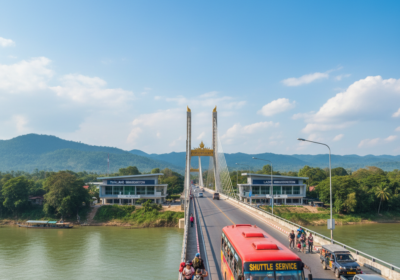
Laos, often called the land of a million elephants, is a serene and soulful destination tucked away in the heart of Southeast Asia. Known for its tranquil temples, misty mountains, golden sunsets over the Mekong River, and warm, welcoming locals, this hidden gem offers travelers an authentic experience untouched by mass tourism. To truly enjoy its charm and natural beauty, understanding best time to visit laos can make all the difference in creating an unforgettable journey.
But before you pack your bags, one question matters most when is best time to visit Laos?
Because your travel experience here can change dramatically with the seasons, from golden dry days perfect for exploration to lush green valleys shimmering after monsoon rains.
Let’s explore everything you need to know about the seasons in Laos, so you can plan your dream trip at the perfect time.
Understanding Laos’ Climate: Two Main Seasons
Laos experiences a tropical monsoon climate, meaning it has two primary seasons: the dry season and the wet (rainy) season. Each brings its own unique charm, shaping the scenery, activities, and overall travel vibe.
Choosing the best time to visit Laos depends on your interests whether you prefer adventure, photography, cultural immersion, or simply peaceful escapes surrounded by nature.
1. The Dry Season (October to April): The Most Popular Choice
If you’re looking for ideal weather and easy travel conditions, the dry season is widely regarded as the best time to visit Laos. During these months, rainfall is minimal, the skies are crystal clear, and the landscapes are beautifully green after the monsoon.
Cool Dry Season (October to February): Perfect for Exploration
This period offers the most comfortable weather and is a favorite among travelers.
Weather: Expect pleasant temperatures ranging from 15°C to 28°C, especially refreshing in the mornings and evenings. The north including destinations like Luang Prabang or Phongsali can get chilly at night, so pack a light jacket or sweater.
Activities:
- Trek through the misty hills of Luang Namtha or Vang Vieng.
- Cruise the Mekong River from Huay Xai to Luang Prabang on the scenic slow boat.
- Visit golden temples like Wat Xieng Thong and That Luang under the soft winter sun.
- Explore rural villages and experience the authentic Lao lifestyle.
Festivals:
Don’t miss That Luang Festival (November) in Vientiane or Lao National Day (December 2nd) celebrations. These events showcase traditional music, parades, and cultural performances.
Pros:
✅ Perfect weather for sightseeing and outdoor activities
✅ Clear visibility and easy transport connections
✅ Stunning photography opportunities
Cons:
❌ Higher prices and larger crowds at popular tourist spots like Luang Prabang
❌ Book accommodation early to secure good deals
Hot Dry Season (March to April): Fiery and Festive
As the dry season continues, the heat begins to rise quite literally.
Weather:
Temperatures often exceed 35°C, particularly in southern regions like Pakse or Champasak. Humidity also begins to build up as the rainy season approaches.
Activities:
- Cool off at Kuang Si Falls or Tad Fane Waterfall.
- Visit highland areas like Phonsavan or Nong Khiaw, which stay slightly cooler.
- Celebrate Pi Mai Lao (Lao New Year) in mid-April, a nationwide water festival full of laughter, music, and blessings think of it as Laos’ version of Songkran in Thailand!
Pros:
✅ Fewer tourists, more relaxed atmosphere
✅ Unique cultural celebrations and photo opportunities
✅ Lower accommodation costs in some regions
Cons:
❌ Extreme heat can be uncomfortable for extended outdoor adventures
❌ Some rural areas may experience smoky air due to regional farming practices
2. The Wet (Rainy) Season (May to September): A Different Kind of Beauty
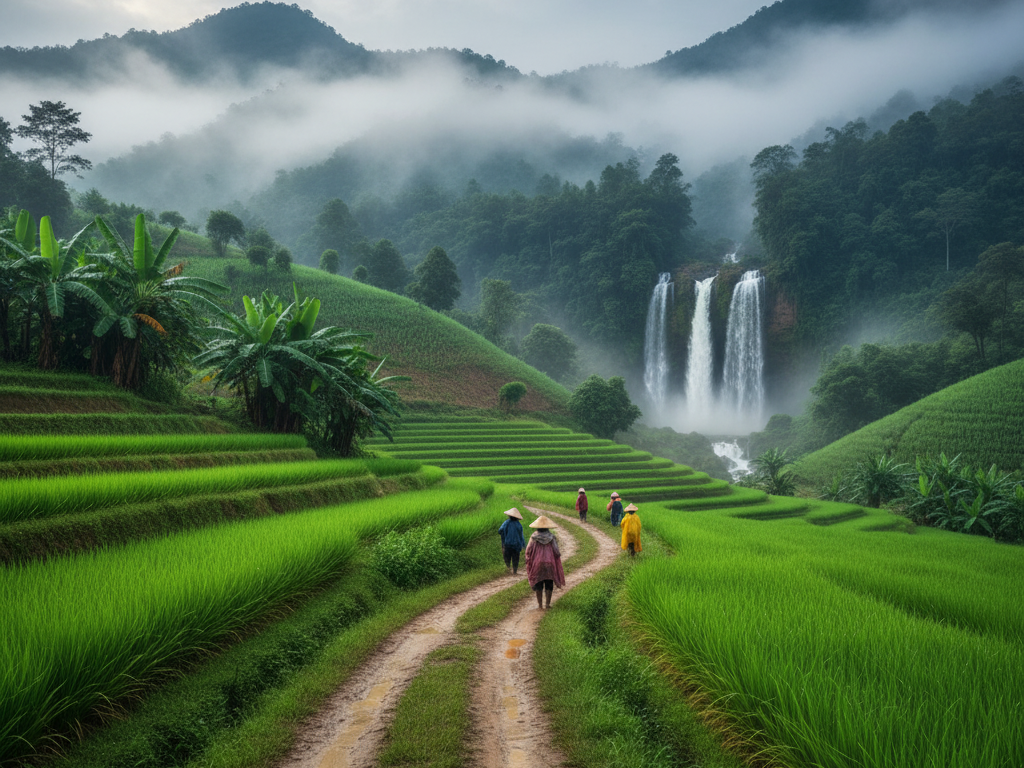
While some travelers shy away from the rainy months, those who visit during this time are rewarded with a completely different side of Laos lush, vibrant, and full of life.
Weather:
Expect temperatures between 25°C and 32°C and brief but intense afternoon showers. The mornings are often sunny, and the rain cools down the air, creating a refreshing atmosphere.
Activities:
- Witness the Mekong River at its fullest and most powerful.
- Trek through emerald-green rice fields and visit waterfalls at their peak flow.
- Experience local life at a slower, more peaceful pace with fewer tourists around.
Best Destinations:
- Luang Prabang for its rich culture and vibrant greenery.
- Vang Vieng for kayaking and river tubing when water levels are ideal.
- Bolaven Plateau for coffee plantations and dramatic waterfalls surrounded by jungle mist.
Pros:
✅ Beautiful landscapes and photogenic skies
✅ Lower travel costs and fewer crowds
✅ A chance to see authentic local life without the tourist rush
Cons:
❌ Occasional road closures in rural areas due to heavy rain
❌ Higher humidity levels may not suit everyone
Quick Summary: Best Time to Visit Laos by Travel Style
| Travel Interest | Recommended Time | Why |
|---|---|---|
| Cultural Exploration | November – February | Comfortable weather, major festivals, vibrant local life |
| Nature & Trekking | October – February | Clear skies, cool air, scenic trails |
| Budget Travel | May – September | Off-season discounts, quiet attractions |
| Festival Lovers | April | Pi Mai Lao (Lao New Year) celebrations |
| Photography & Landscapes | June – August | Lush greenery and dramatic skies after the rains |
Final Thoughts: So, When Is the Best Time to Visit Laos?
If you want the most comfortable weather and full access to outdoor adventures, the cool dry season (October to February) is undoubtedly the best time to visit Laos.
However, if you prefer fewer crowds, cheaper prices, and a more tranquil experience surrounded by lush landscapes, the rainy season (May to September) holds a special kind of magic the kind that rewards those willing to slow down and embrace the rhythm of nature.
No matter when you visit, Laos will captivate you with its timeless charm, kind-hearted people, and breathtaking scenery. Whether under a blazing sun or soft monsoon drizzle, this peaceful country always leaves a lasting mark on your heart.